How Far in Advance Should You Plan a Trip? (And Why It Matters)
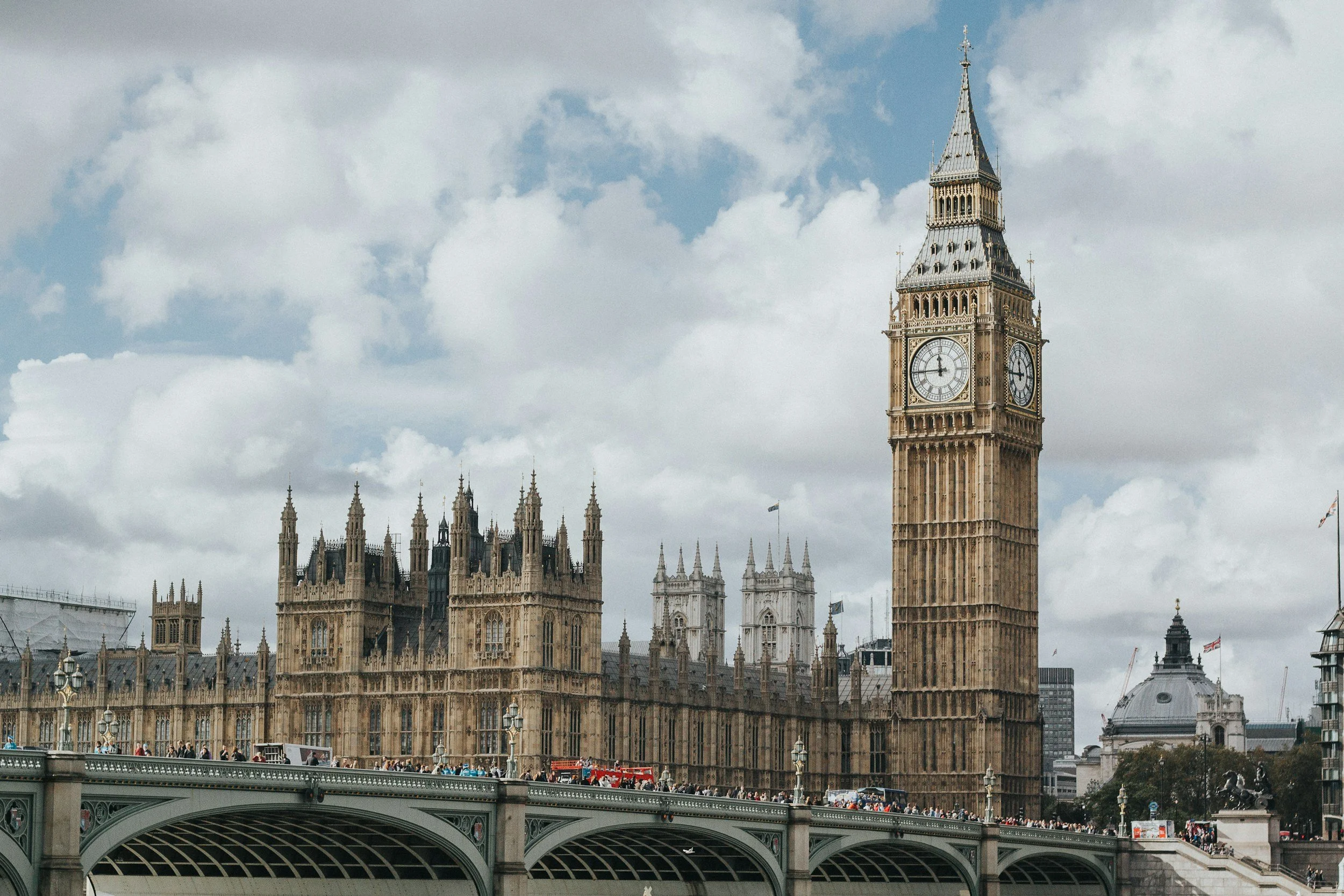
One of the most common questions I get from clients is: “How early should I start planning my trip?”
And while the exact timing depends on where you’re going and what kind of experience you want, one thing is always true:
The earlier you plan, the better your trip will feel.
Not just in terms of logistics but in the overall experience, flow, and quality of what’s available to you.
Below is a general timeline I guide my clients through, along with why each window matters.
12+ Months in Advance: For Bucket List & High-Demand Trips

For trips like honeymoons, milestone travel, or destinations with limited high-end inventory, planning 10–12 months in advance gives you access to the best possible version of your trip.
At this stage, you’re not choosing from what’s left, you’re choosing from what’s ideal. The most desirable hotels, room categories with the best views, and thoughtfully curated experiences are all still available.
This also allows us to design the trip intentionally, ensuring the pacing feels right and every part of the itinerary flows seamlessly. For trips that are meant to feel once-in-a-lifetime, this timing makes a noticeable difference.
6–9 Months in Advance: Europe & Multi-Stop Trips
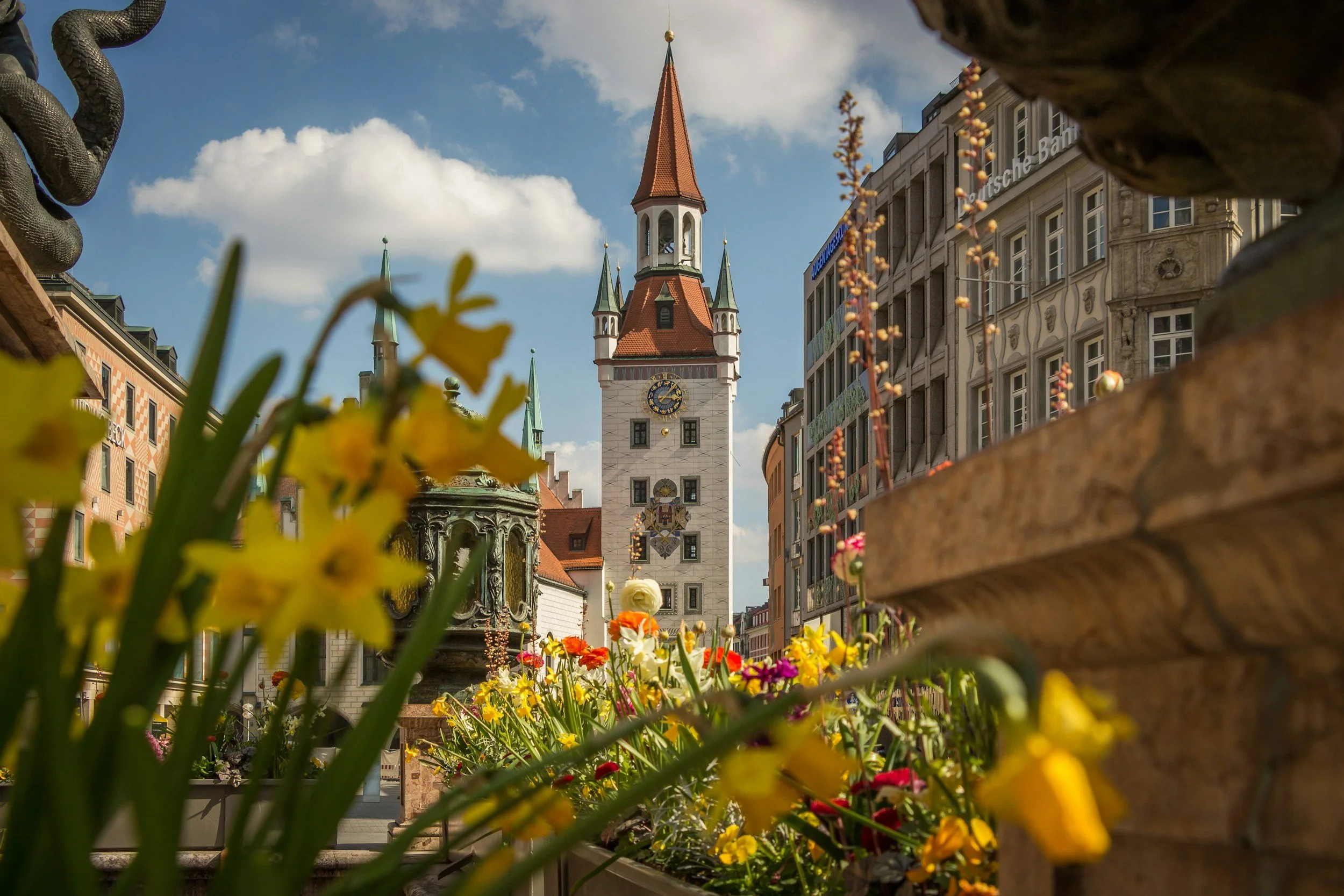
For destinations like Italy, France, the Netherlands, and other popular European countries, especially during peak travel seasons, this is the sweet spot.
At this point, availability is still strong, but things are starting to fill. Hotels in prime locations and well-designed itineraries require a bit more strategy, and planning within this window ensures we can still secure the right combination of properties, locations, and experiences.
This is also when flights begin to stabilize, allowing for better routing and timing. Overall, it’s the ideal balance between flexibility and structure.
3–6 Months in Advance: Shorter Getaways & Flexible Travel
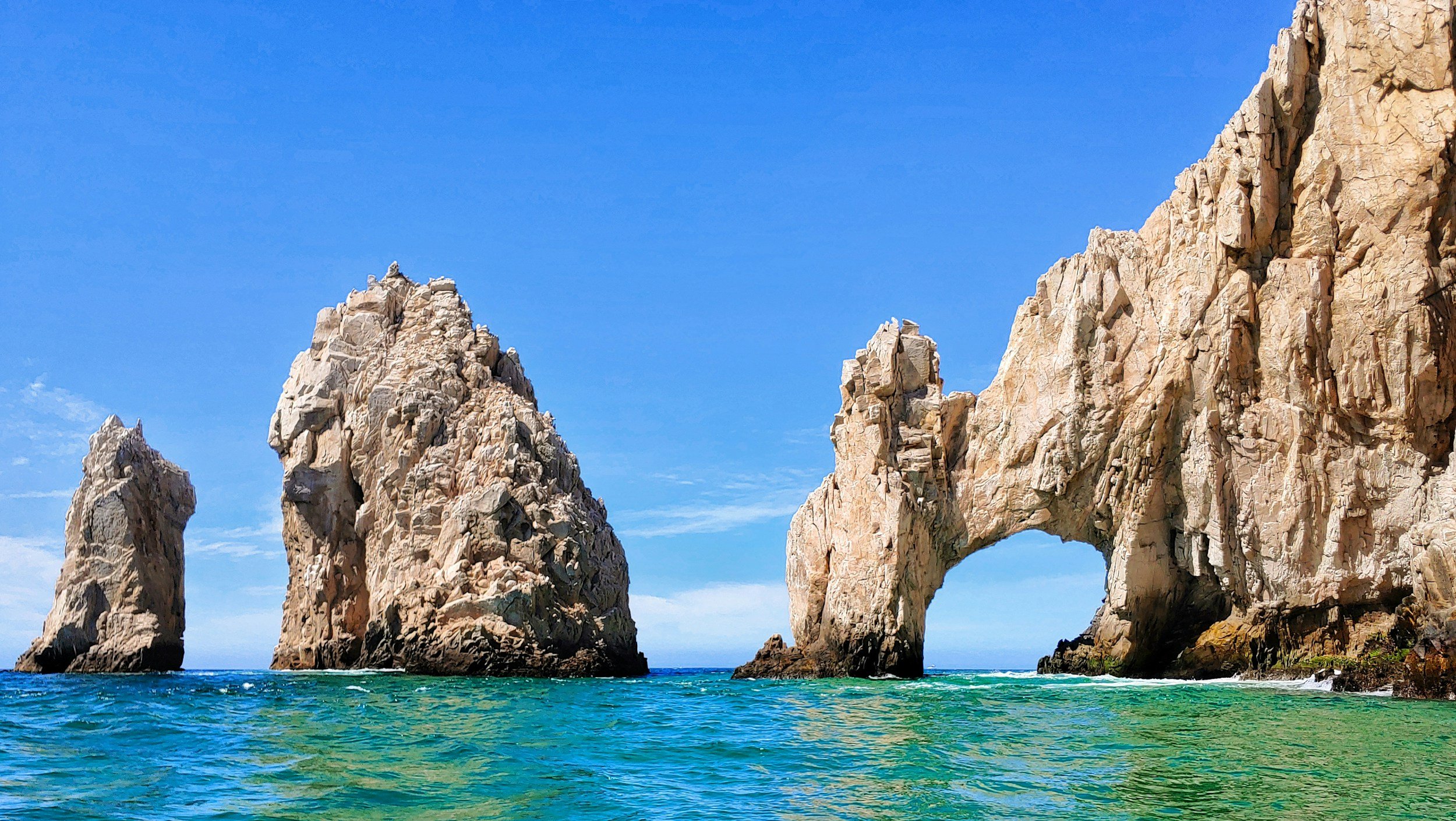
For destinations like Mexico, the Caribbean, or shorter, more relaxed trips, you typically have more flexibility in timing.
There’s generally more inventory available, which means planning in this window can still result in a great experience. That said, waiting too long can still limit your options, especially when it comes to preferred room categories, better views, or more desirable resorts.
Even for these trips, planning earlier allows for a more curated experience rather than settling for what’s available closer to departure.
Less Than 3 Months: Possible, But More Limited

Planning within a few months of travel is absolutely possible, but it often comes with trade-offs.
At this point, the process becomes less about designing the ideal trip and more about working within what’s still available. Hotel options may be limited, pricing is often higher, and flexibility decreases across the board.
For simple getaways, this can still work well, but for more meaningful or complex trips, it can impact the overall experience more than most people expect.
Why Timing Impacts the Entire Trip
Timing doesn’t just affect availability, it shapes the entire experience.
When you plan early, your trip is built around your preferences: the right hotel, the right location, the right pacing, and the experiences that actually matter to you.
When you wait, your trip starts to be shaped by constraints instead like what’s available, what fits, and what can be pieced together last-minute.
That’s often the difference between a trip that feels good and one that feels completely seamless and elevated.
How I Help My Clients Plan at the Right Time
Most of my clients come to me knowing they want to travel, but not necessarily when to start or how far in advance they should be planning.
I help guide that process, making sure we’re booking at the right time to secure the best options, while also designing a trip that feels effortless from start to finish.
From hotels and experiences to logistics and flow, everything is handled in a way that allows you to simply show up and enjoy it.
Final Thoughts
If you’re thinking about a trip, even if it feels far away, it’s likely the right time to start planning.
Because the goal isn’t just to go somewhere. It’s to experience it the way it was meant to be.
Reach out to Aurelia Voyages today to start planning your trip.