A Guide to Japan (Beyond the Main Cities)
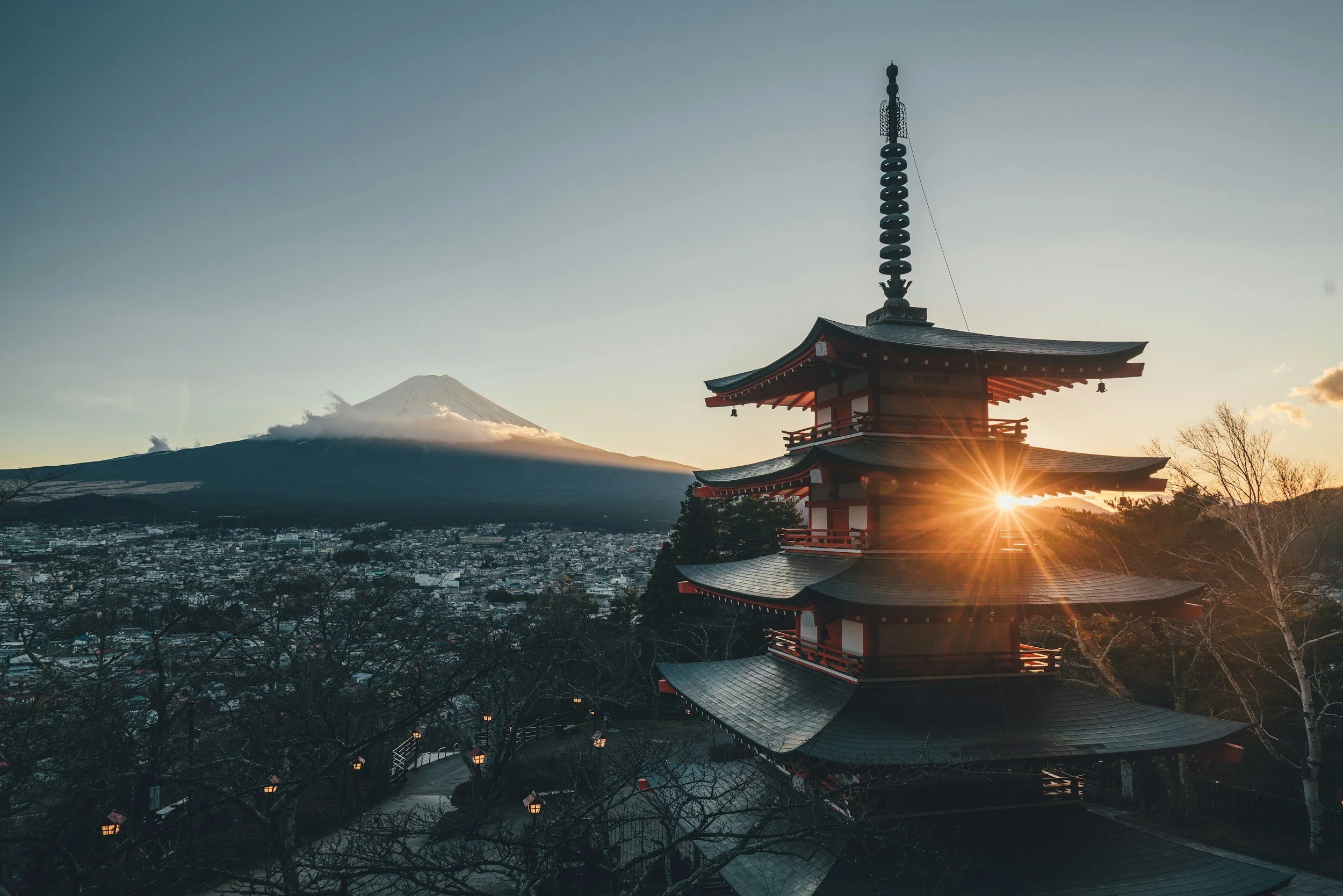
Japan is one of those destinations that rewards curiosity. You can follow the classic route, Tokyo, Kyoto, Osaka, and have an incredible trip. But if you’re looking for something a little more layered, a little more personal, there’s so much more to explore beyond that.
From art-filled islands and historic samurai districts to volcanic landscapes and ski towns, Japan offers a depth that goes far beyond what most travelers see on their first visit.
This is a guide to some of the places, stays, and experiences that elevate a trip to Japan.
Regions to know
If you’re planning a trip, these are a few destinations that add something really special to the overall experience:
Naoshima: A quiet island dedicated to contemporary art, where museums, installations, and nature all blend together.
Kanazawa: Often compared to Kyoto, but with fewer crowds and known for its preserved samurai districts, geisha culture, and incredible food scene.
Kyushu: A more off-the-radar region with hot springs, volcanic landscapes, and a distinct cultural identity.
Niseko: Best known for skiing in the winter, but equally beautiful in summer with wide open landscapes and outdoor activities.
Each of these works best as part of a larger trip, adding contrast to Japan’s bigger cities.
Where to stay in Japan
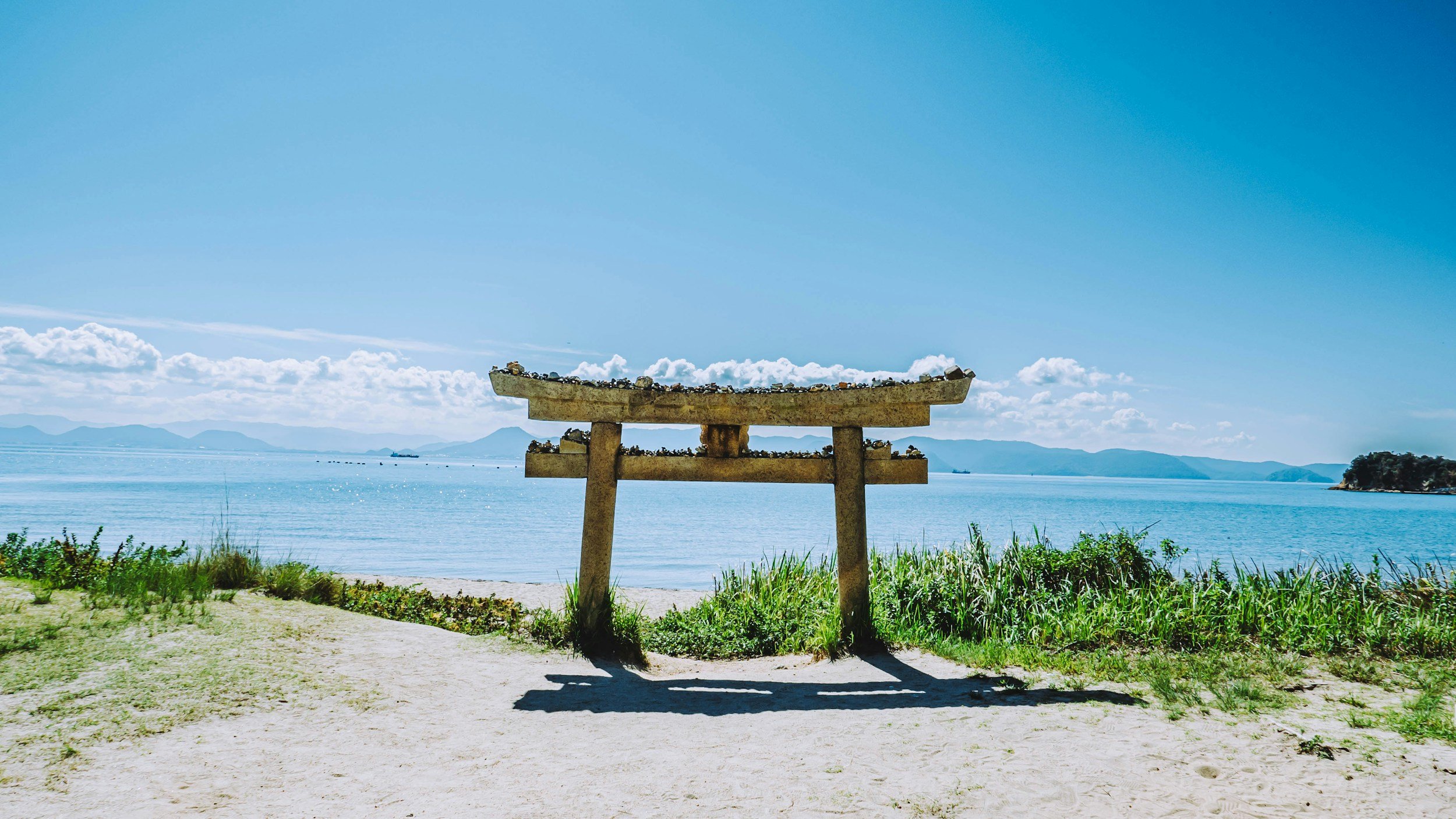
Where you stay in Japan really shapes your experience. It’s one of the destinations where I always recommend mixing styles between modern luxury hotels, boutique stays, and at least one traditional ryokan.
Naoshima
Benesse House is one of the most unique stays in Japan, it’s part museum, part hotel, where guests are fully immersed in the art. For something more traditional, Ryokan Roka offers a quieter, more intimate experience with a focus on hospitality and design.
Niseko
For a luxury ski-in/ski-out experience, Park Hyatt Niseko Hanazono is the standout, especially with added perks like breakfast, upgrades, and hotel credits through Hyatt Privé. If you prefer something more boutique, MUWA Niseko has a more design-forward feel, while Setsu Niseko is known for its wellness and onsen facilities in a central location.
Kyushu
In Fukuoka, The Ritz-Carlton is a polished, easy base with elevated service and strong dining. For a more traditional experience, ryokans like Yakakutei or Hoshino Resorts KAI Yufuin offer private onsen, kaiseki dining, and a slower, more immersive stay.
Kanazawa
Hyatt Centric Kanazawa is a great centrally located option with a modern feel and added perks through Hyatt Privé. For something more locally inspired, Soki Kanazawa blends traditional design elements with a boutique hotel atmosphere.
Understanding Japan’s culture
Part of what makes Japan so fascinating is how seamlessly the past and present exist together.
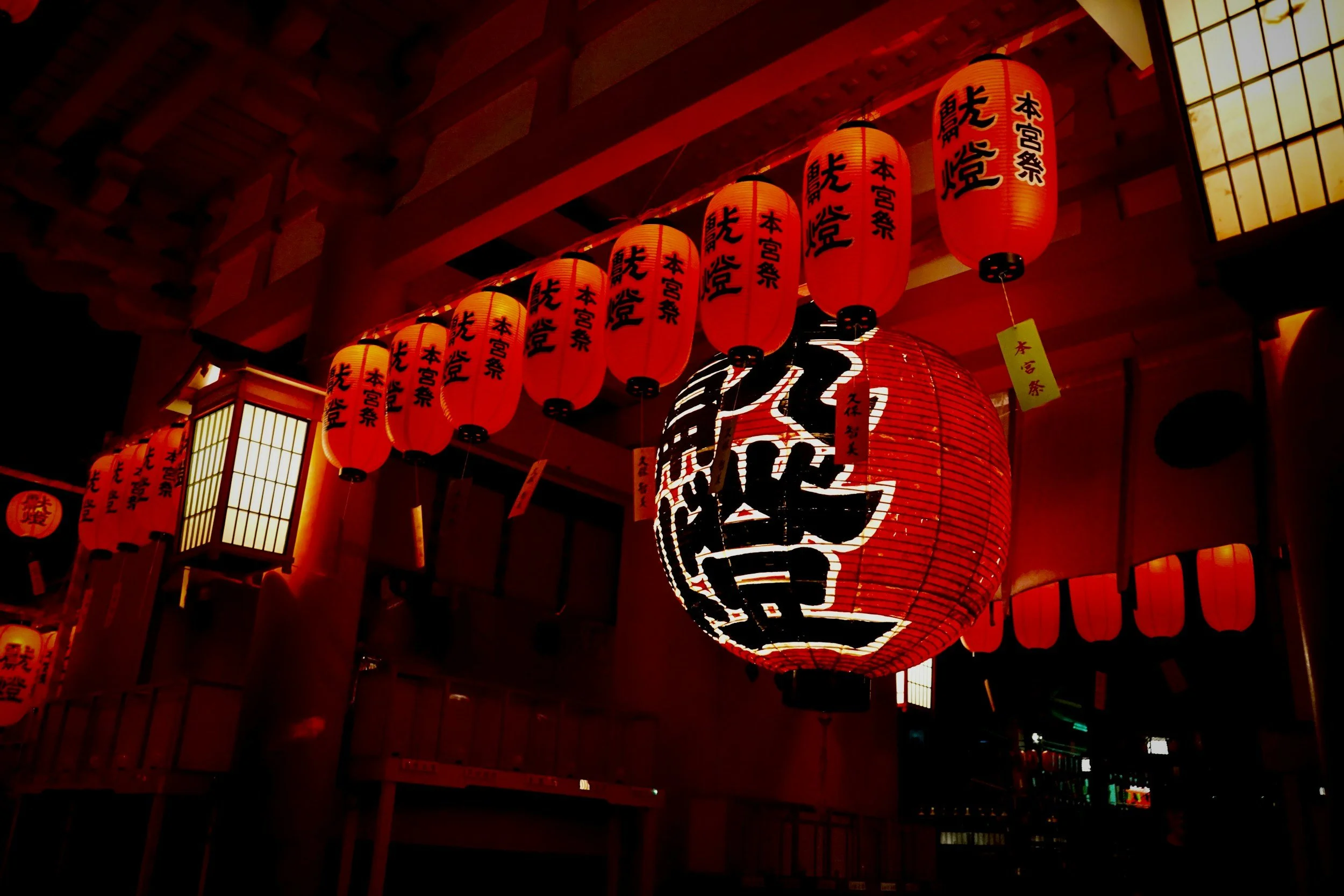
Shinto beliefs, centered around nature and the presence of kami, or spirits, are still woven into everyday life. You’ll feel it in quiet shrines tucked into cities and in the way landscapes are preserved and respected.
At the same time, centuries of history, from the samurai era to the Edo period, continue to influence everything from architecture to food to daily rituals. Experiences like tea ceremonies, staying in a ryokan, or visiting traditional districts aren’t just activities, they’re a window into that continuity.
What to do in Japan
There’s no shortage of things to do, but what makes Japan special is the variety, you can go from a peaceful shrine to a neon-lit district in the same day.
Tokyo
Think of Tokyo as a collection of neighborhoods, each with its own personality. You have the energy of Shibuya, the luxury of Ginza, the creativity of Shimokitazawa, and the culture of areas like Asakusa. Add in food markets, art museums, and even sumo practices, and you could spend days here without repeating anything.
Kyoto
Kyoto is where you go for a deeper connection to tradition. Walk through Gion, visit temples in Arashiyama, experience a tea ceremony, and spend time wandering Nishiki Market. It’s less about rushing between sights and more about slowing down.
Hakone
Hakone is one of the best places to experience a ryokan stay. Between the hot springs, mountain views, and Lake Ashi (with views of Mount Fuji on clear days), it’s an easy and worthwhile escape from Tokyo.
Osaka
Osaka brings a completely different energy, more casual, more food-focused, and a bit more playful. Dotonbori is the heart of it, but the city is just as much about eating your way through it as it is about sightseeing.
Naoshima
Naoshima is all about art and atmosphere. Museums like Chichu Art Museum and the Benesse House installations are designed to interact with light and space, and exploring the island by bike is part of the experience.
Niseko
In winter, Niseko is known for some of the best powder skiing in the world. In summer, it shifts completely to hiking, rafting, and wide open landscapes take over.
Kyushu
Kyushu feels different from the rest of Japan in the best way. You have the history of Nagasaki, the dramatic landscape of Mount Aso, the beauty of Takachiho Gorge, and a food scene in Fukuoka that’s worth the trip alone.
What to eat in Japan
Japan’s food scene is one of the biggest highlights of any trip, and it’s not just about fine dining.
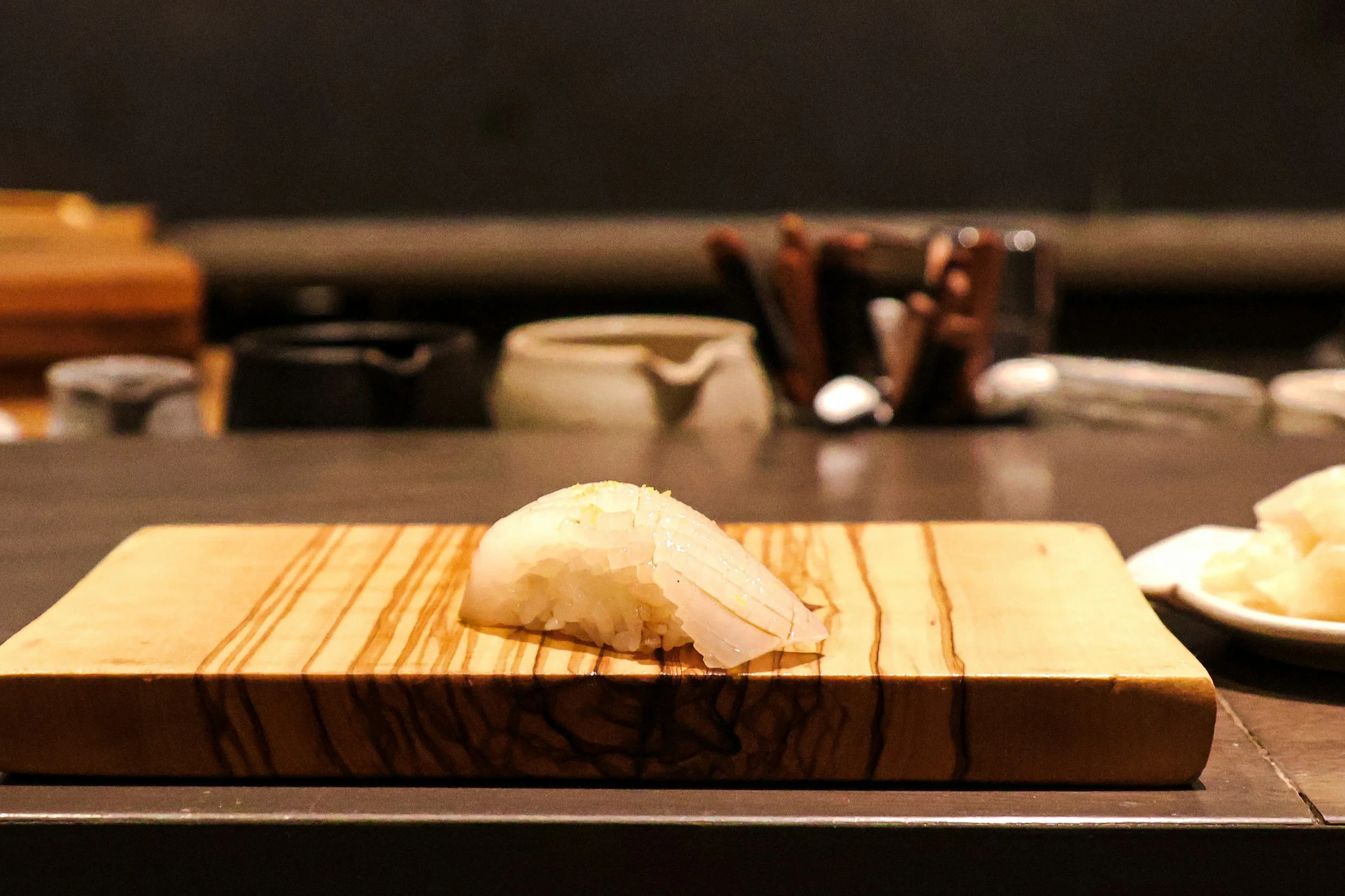
Some of the best meals you’ll have will be small, local spots, whether that’s a ramen shop, a sushi counter, or a street food stall.
Each region has its own specialties, but a few standout experiences include:
Omakase sushi in Tokyo
Kaiseki dining in Kyoto
Street food in Osaka
Ramen and yatai stalls in Fukuoka
Easy day trips
Japan makes it incredibly easy to explore beyond your base city:
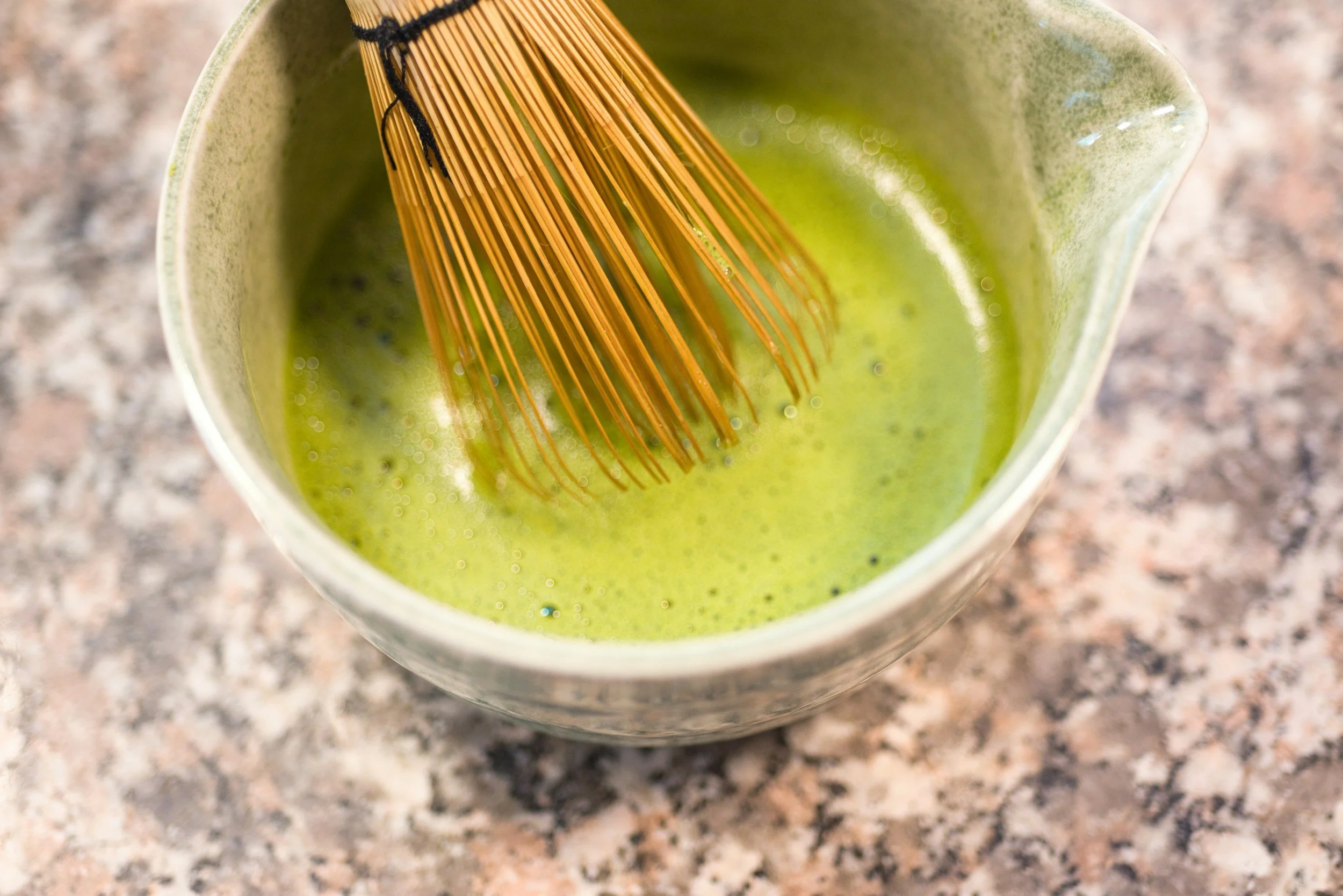
Uji (from Kyoto): Known for matcha and a slower pace
Nara (from Kyoto): Historic temples and roaming deer
Shirakawa-go (from Kanazawa): A picturesque, traditional village
Sapporo (from Niseko): Great food and city energy
Ghibli Park (from Osaka): A must for fans
If you want to go beyond Japan
If you love the mix of culture, food, and contrast that Japan offers, you might also love:
South Korea: Seoul blends fast-paced city energy with deeply rooted tradition, think palaces and hanok villages set against a backdrop of cutting-edge design, beauty culture, and one of the most exciting food scenes in Asia.
Indonesia: Bali is the well-known favorite for its rice terraces, temples, and wellness scene, but islands like Lombok and Komodo offer something more raw and less traveled, with dramatic landscapes and a quieter pace.
Thailand: Bangkok’s vibrant chaos gives way to the calm of Chiang Mai’s temples and the laid-back luxury of islands like Phuket and Koh Samui, ideal if you want variety within one trip.
Hong Kong: A dynamic, vertical city where world-class dining, luxury shopping, and a strong cultural identity all come together, with lush mountains and harbor views just minutes away.
Taiwan: Taipei is compact, energetic, and known for its night markets, while the rest of the island offers incredible natural scenery, from dramatic coastlines to places like Taroko Gorge, with far fewer crowds.
Planning a trip to Japan
Japan is one of those destinations where the details really matter, like where you stay, how you move between regions, and how your days are structured can completely change the experience.
That’s exactly what I help my clients with; designing trips that feel seamless, elevated, and tailored to how they actually want to travel.
If Japan is on your list, I’d love to help you plan it.