Mediterranean Cruise Guide: What to Know, Where to Go & How to Plan It Right
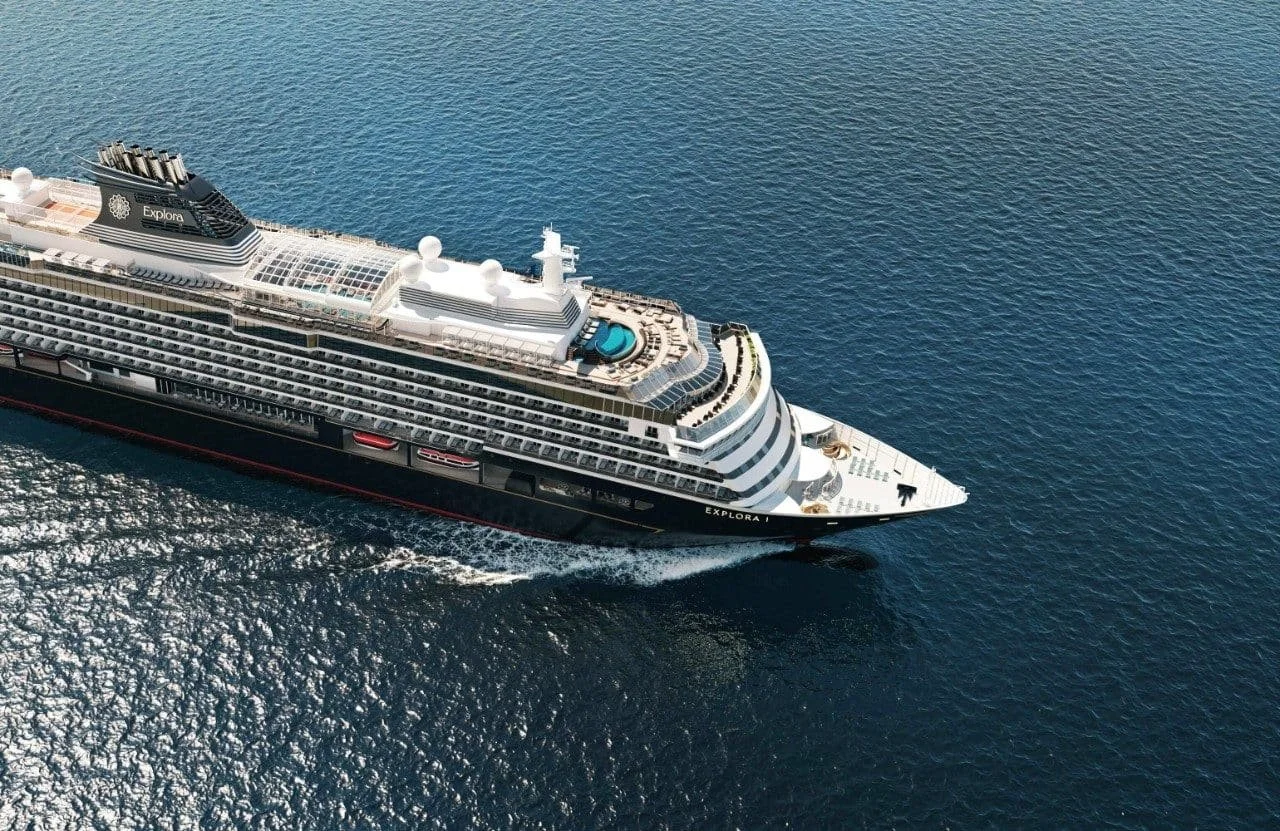
Image courtesy of Explora
Mediterranean cruising is one of the most seamless ways to experience multiple countries, cultures, and coastlines in a single trip. Instead of constantly packing, unpacking, and coordinating transportation between destinations, your hotel moves with you. This allows you to wake up somewhere new each day without the usual travel stress.
What makes this style of travel so compelling is the balance it creates. You’re able to explore iconic cities, coastal towns, and historic landmarks during the day, then return each evening to a familiar space, curated dining, and a slower pace as you sail to your next destination. It’s the ease of a resort stay combined with the depth of a multi-city itinerary.
Why Choose a Mediterranean Cruise
For many travelers, planning a European itinerary comes down to logistics, how to get from one place to the next without losing time or energy along the way. Mediterranean cruising removes that friction entirely.
Rather than spending hours navigating airports, trains, or transfers, your time is spent experiencing each destination. You can have breakfast onboard, step off the ship into a new city, and return in the evening without ever needing to repack.
Some of the biggest advantages include:
Visiting multiple countries in one trip without complex planning
Eliminating the need to change hotels throughout your itinerary
Built-in dining, entertainment, and amenities onboard
A consistent, elevated experience paired with varied destinations
It’s an ideal option for travelers who want to see more, but do it in a way that feels effortless.
Western vs. Eastern Mediterranean: Choosing the Right Route
One of the most important decisions when planning a Mediterranean cruise is choosing between the Western and Eastern Mediterranean. While both offer incredible experiences, they create very different trips.
The Western Mediterranean tends to be more fast-paced and city-focused, with stops in places like Barcelona, Rome, the French Riviera, and parts of Spain. These itineraries are centered around iconic landmarks, food, and a vibrant atmosphere.
The Eastern Mediterranean, by contrast, feels slower and more atmospheric. Routes through Greece, Croatia, Montenegro, and Turkey focus more on scenery, coastal beauty, and history, often with longer port stays and a more relaxed rhythm.
A simple way to think about it:
Western Mediterranean: culture, food, cities, energy
Eastern Mediterranean: islands, views, history, slower pace
Choosing the right route ultimately comes down to how you want your trip to feel day-to-day.
When to Go
Timing plays a significant role in shaping your experience, from crowd levels to overall pace.
The Mediterranean cruise season runs from late spring through early fall, but not all months feel the same:
May, June, September: best overall balance of weather, crowds, and value
July & August: peak season with high energy, but also higher prices and busier ports
October: quieter and more relaxed, though some seasonal destinations begin to wind down
If your goal is a more elevated, less crowded experience, the shoulder seasons are typically the best choice.

What to Expect Onboard
One of the biggest advantages of cruising is the consistency it provides. While each destination offers something new, your onboard experience remains thoughtfully designed and familiar.
Depending on the cruise line, you can expect a range of experiences, from lively, social environments to quieter, more refined atmospheres. Dining is often a highlight, with options ranging from casual daytime meals to more elevated, multi-course dinners in the evening.
Most ships include:
Multiple dining venues and specialty restaurants
Pools, lounges, and wellness spaces
Entertainment and curated onboard programming
Excursions and guided experiences in each port
The key is choosing a ship that aligns with your travel style, as the onboard experience plays just as big of a role as the destinations themselves.
Choosing the Right Cruise Line
Not all cruise lines deliver the same experience, and selecting the right one is one of the most important parts of planning your trip.
Premium lines tend to offer a balance of elevated design, strong dining, and a relaxed atmosphere, while luxury lines focus on smaller ships, more personalized service, and a higher level of inclusions. There are also more family-focused options that emphasize entertainment and onboard activities.
The difference isn’t just in amenities, it’s in how the entire trip feels. Matching the cruise line to your preferences ensures the experience is aligned from start to finish.
Getting There & Planning Ahead
Most Mediterranean cruises depart from major European cities like Barcelona, Rome, or Athens, all of which are well-connected internationally. However, getting there requires a bit more planning than many travelers expect.
One of the most important things to keep in mind is timing. Arriving the same day your cruise departs is a risk that’s simply not worth taking. Delays can happen, and missing a departure can disrupt your entire trip.
A better approach:
Arrive at least 1–2 days before embarkation
Use that time to adjust to the time zone
Enjoy the departure city before your cruise begins
Transportation between the airport and port can also vary. Some ports are centrally located, while others require a longer transfer, making pre-arranged transportation a worthwhile consideration.
What to Pack
Packing for a Mediterranean cruise is relatively straightforward, but it helps to think in terms of flexibility.
You’ll want comfortable, breathable pieces for daytime exploring, especially when walking through historic cities and coastal towns. Evenings often call for a slightly more polished look, particularly for specialty dining or formal nights onboard.
A few essentials to include:
Lightweight clothing for warm days
Comfortable walking shoes
Swimwear for beach clubs or onboard pools
Sunglasses, sunscreen, and a hat
A few elevated pieces for evenings

Booking with Aurelia Voyages
Booking with Aurelia Voyages ensures your Mediterranean cruise is designed intentionally, not just selected.
Beyond helping you choose the right route and cruise line, I focus on how the entire experience comes together, from pre- and post-cruise hotels to excursions and overall pacing.
Depending on the cruise line, booking with Aurelia Voyages gets you access to additional benefits such as onboard credit, preferred amenities, and added value throughout your trip. More importantly, it gives you a cohesive, well-planned experience from beginning to end.
Final Thoughts
A Mediterranean cruise offers a way to experience Europe that feels both immersive and effortless.
It allows you to explore multiple destinations without sacrificing comfort, consistency, or time. This is something that’s difficult to achieve with a traditional itinerary. And when planned thoughtfully, it becomes more than just a trip, it becomes a seamless, elevated experience.
If you’re considering a Mediterranean cruise and want help narrowing down the best route, cruise line, and overall approach, I’d be happy to help you plan it.