Florence Travel Guide: Where to Stay, Eat & Explore
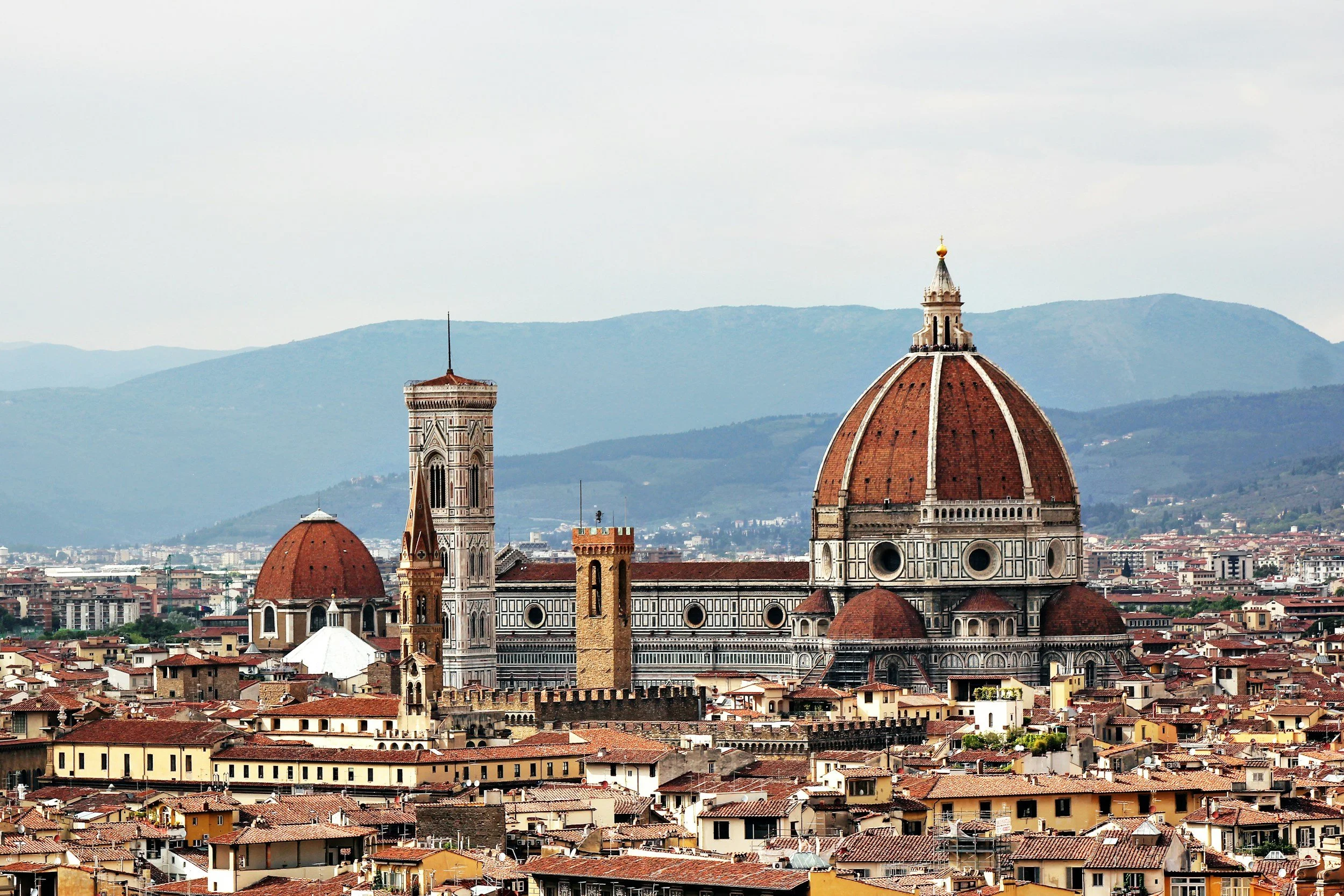
Florence is one of those cities that can feel almost impossibly beautiful at first glance. Renaissance palaces line narrow stone streets, terracotta rooftops stretch toward the Tuscan hills, and some of the world’s most recognizable works of art sit inside buildings you might casually pass on an afternoon walk.
But the best trips to Florence go beyond checking the Duomo, Uffizi Gallery, and Ponte Vecchio off a list.
Florence is a city to experience slowly. Spend a morning surrounded by Renaissance masterpieces, stop for a long Tuscan lunch, wander across the Arno into Oltrarno, browse workshops where artisans still practice centuries-old crafts, and end the evening over bistecca alla fiorentina and a bottle of Chianti.
It is also one of my favorite destinations to build into a larger Italian itinerary. Florence can be paired with a countryside stay in Tuscany, connected easily with Rome or Venice, or used as a base for exploring hill towns, wineries, and some of Italy’s most beautiful landscapes.
Here is my guide to planning a luxury trip to Florence, including where to stay, what to see, where to eat, and the experiences worth making time for.
Florence at a Glance
For most first-time visitors, I recommend spending three to four nights in Florence. That gives you enough time to experience the city’s major museums and landmarks without turning every day into a sightseeing marathon.
If Florence is your base for exploring Tuscany, five nights or longer can work beautifully. You can alternate days in the city with private excursions into the countryside, giving the trip a much more relaxed rhythm.
Florence is compact and highly walkable, which is part of its appeal. Many of the city’s most important landmarks are concentrated around the historic center, while crossing the Arno brings you into Oltrarno, where the atmosphere becomes quieter and more residential.
Spring and fall are particularly beautiful times to visit, with generally pleasant temperatures for walking and sightseeing. Summer brings long, sunny days but also heat and peak crowds. Florence is popular enough that advance planning matters, particularly for major museums. The city’s official tourism site notes that high-season waits for the Uffizi and Accademia can reach several hours without advance arrangements.
Where to Stay in Florence
Where you stay can dramatically change how Florence feels.
A hotel directly in the historic center puts you steps from Florence’s major landmarks and makes it easy to return to your room between sightseeing and dinner. Staying slightly outside the busiest streets can give you more space, gardens, pools, and a welcome sense of retreat.
These are a few of the properties I would consider when planning a luxury Florence itinerary.
Four Seasons Hotel Firenze
For travelers who want a true resort experience without leaving Florence, Four Seasons Hotel Firenze is one of the city’s standout options.
The hotel occupies two historic Renaissance palaces surrounding an expansive private garden filled with mature trees, fountains, statues, and quiet pathways. Inside, original architectural details and frescoes give the property a sense of place that feels distinctly Florentine rather than simply luxurious. The hotel also has a spa, swimming pool, and multiple dining options.
Best for: Honeymooners, special occasions, luxury travelers, and anyone who wants more space and tranquility while remaining close to central Florence.
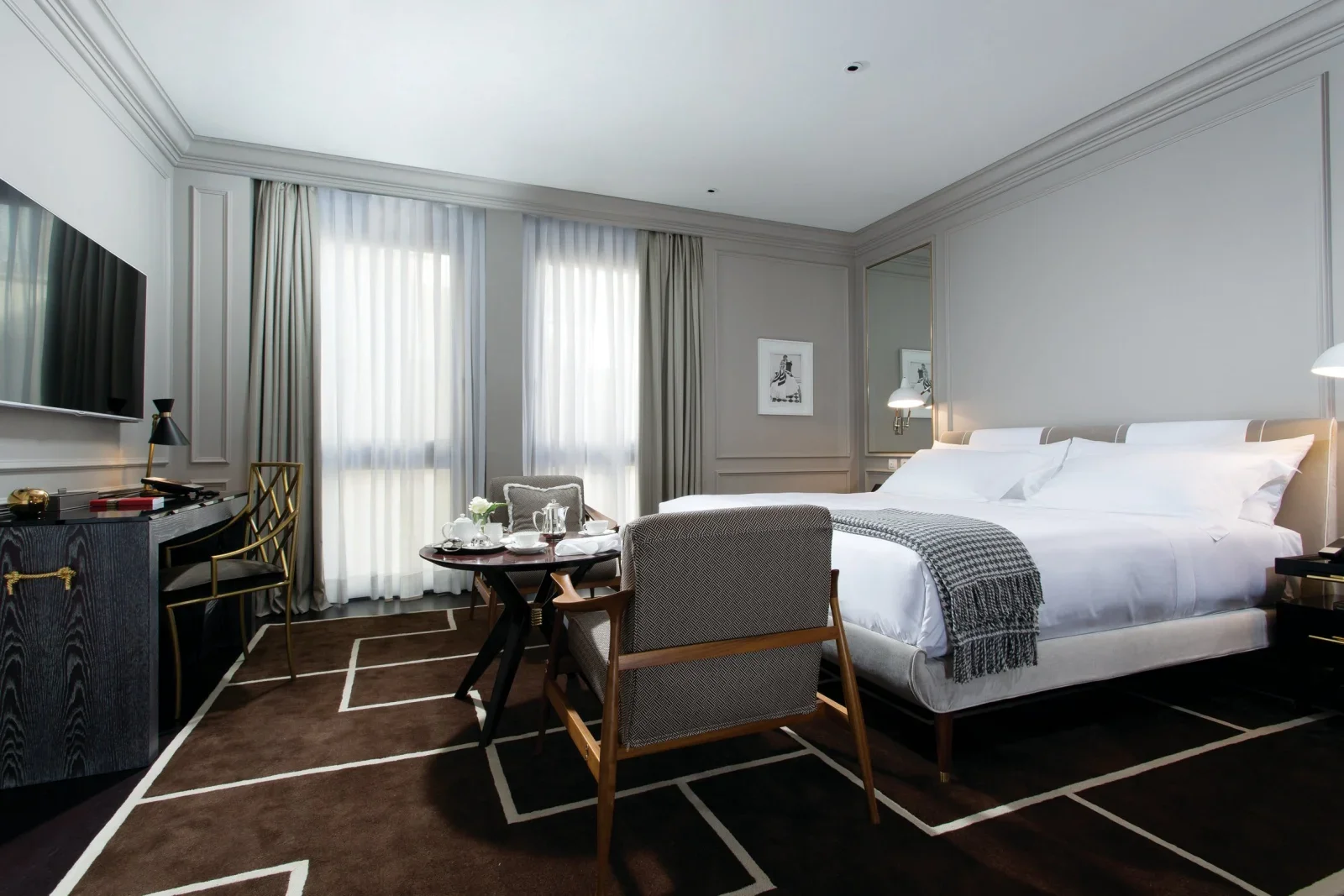
Image Courtesy of Portrait Firenze
Portrait Firenze
Sitting along the Arno near Ponte Vecchio, Portrait Firenze is ideal for travelers who prioritize location and contemporary luxury.
The atmosphere is polished and residential, with a distinctly fashionable Florentine sensibility. It is an especially compelling choice for couples who want to step outside and immediately feel immersed in the historic center.
Best for: Couples, honeymooners, fashion-focused travelers, and shorter Florence stays where location is especially important.
Hotel Savoy
Set directly on Piazza della Repubblica, Hotel Savoy places you right in the middle of Florence.
The location makes it exceptionally easy to explore the Duomo, Piazza della Signoria, Ponte Vecchio, designer boutiques, museums, and restaurants on foot. Interiors bring a more contemporary energy to the city’s historic surroundings.
Best for: First-time visitors, shoppers, and travelers who want to be in the center of everything.
The St. Regis Florence
For old-world grandeur, The St. Regis Florence delivers a completely different atmosphere.
Set inside a historic palazzo overlooking the Arno, the property leans into ornate Florentine elegance with chandeliers, frescoes, antiques, and richly detailed interiors.
Best for: Travelers drawn to classic European luxury, romantic trips, and anyone who wants their hotel to feel as historic as the destination.
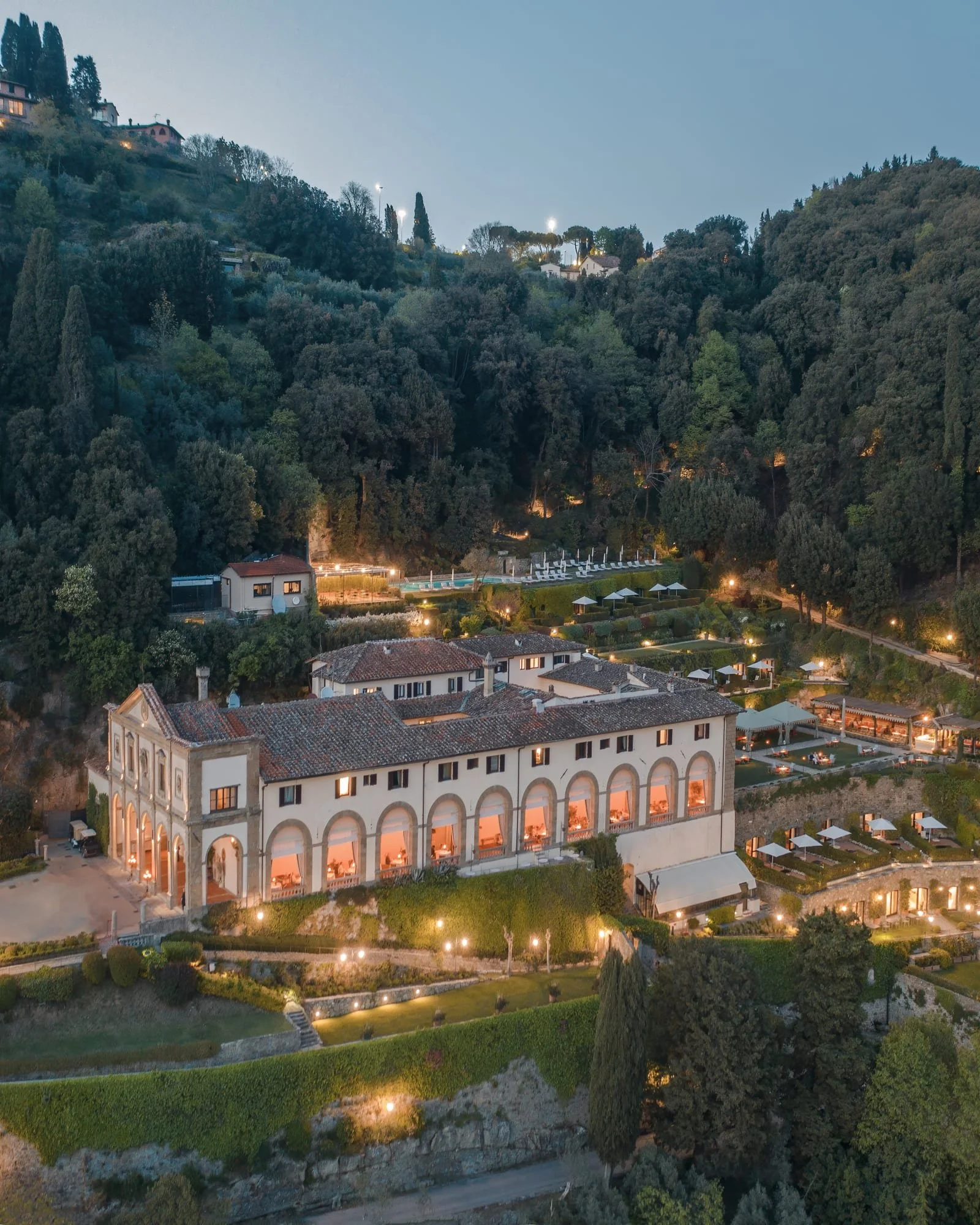
Image Courtesy of Villa San Michele
Villa San Michele, A Belmond Hotel
For something entirely different, leave the center of Florence behind and stay in the hills of Fiesole.
Villa San Michele combines Renaissance architecture with gardens and panoramic views across Florence. It gives you access to the city while creating the feeling of a countryside escape.
Best for: Honeymooners, repeat visitors, and travelers who value views, privacy, and a slower pace over being able to walk directly out into central Florence.
What to See in Florence
Florence contains an extraordinary concentration of art and architecture, but trying to see everything in one trip is one of the easiest ways to diminish the experience.
I would rather thoughtfully choose a handful of major sights and leave enough space to actually enjoy the city between them.
The Duomo
The Cathedral of Santa Maria del Fiore dominates Florence’s skyline, crowned by Brunelleschi’s unmistakable terracotta dome.
Give yourself time to experience more than the exterior. Depending on your interests and mobility, you can explore the cathedral complex, Baptistery, Giotto’s Bell Tower, museum, and dome.
For travelers who want to climb Brunelleschi’s Dome, this is something I would plan in advance rather than leave until arrival.
Uffizi Gallery
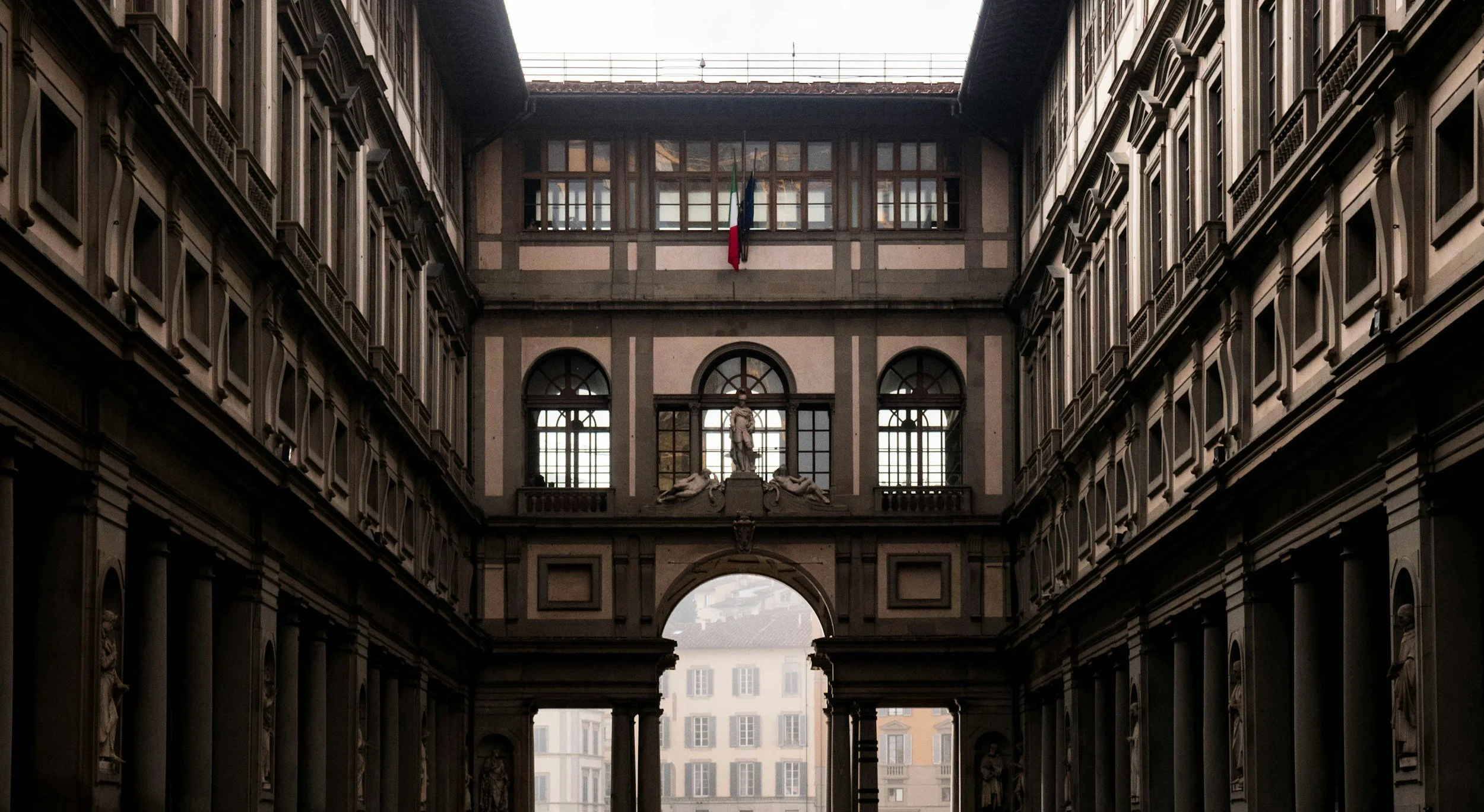
One of the world’s most important collections of Renaissance art, the Uffizi is essential for art lovers and well worth experiencing with a knowledgeable private guide.
Botticelli, Leonardo da Vinci, Michelangelo, Raphael, Caravaggio, and other masters are represented throughout the collection.
The scale can be overwhelming, which is exactly why a curated visit can be much more rewarding than trying to see every gallery.
Accademia Gallery
The Accademia is best known as the home of Michelangelo’s David.
Although the museum is considerably smaller than the Uffizi, seeing the sculpture in person is one of those quintessential Florence experiences that genuinely lives up to its reputation.
Ponte Vecchio
Florence’s most recognizable bridge spans the Arno with a collection of jewelry shops lining either side.
Walk across during the day, but make a point to return to the river around sunset. Some of the most beautiful views are actually of Ponte Vecchio rather than from it.
Palazzo Vecchio & Piazza della Signoria
Piazza della Signoria feels like Florence’s open-air living room, surrounded by centuries of political and artistic history.
Palazzo Vecchio rises over the square, while the adjacent Loggia dei Lanzi displays sculptures beneath graceful stone arches. Even travelers who do not tour the palace should make time to wander through the piazza.
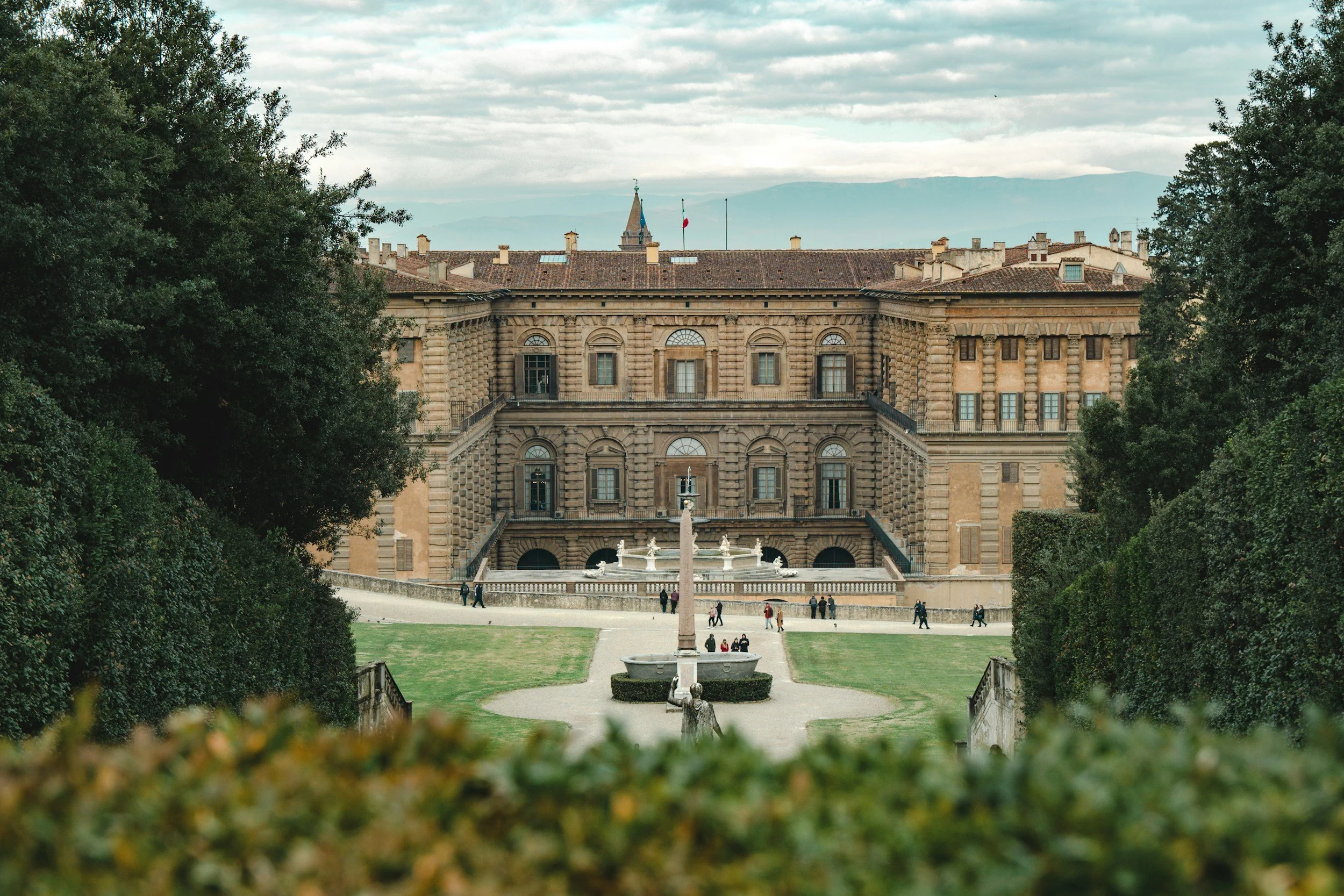
Palazzo Pitti & Boboli Gardens
Cross the Arno and you will find Palazzo Pitti, once home to Florence’s powerful Medici family.
Behind it, the Boboli Gardens climb into the hillside through fountains, sculptures, formal landscaping, and viewpoints over the city.
Pairing the palace and gardens with an afternoon in Oltrarno makes for a particularly good day.
Experience Florence Beyond the Landmarks
The museums are extraordinary, but Florence becomes much more interesting when you begin experiencing the traditions that have shaped the city beyond its famous masterpieces.
Explore Oltrarno
Cross the Arno and spend a few hours wandering Oltrarno, particularly around Santo Spirito.
The neighborhood has a more lived-in feel than some of the busiest streets around the Duomo, with artisan studios, independent boutiques, neighborhood restaurants, and beautiful piazzas.
It is one of my favorite places to build unscheduled time into a Florence itinerary.

Visit Florentine Artisans
Florence has a remarkable tradition of craftsmanship.
Depending on your interests, a private experience might take you inside workshops specializing in leather, marbled paper, jewelry, bookbinding, ceramics, or other traditional crafts.
These encounters provide an entirely different perspective on Florence’s creative heritage.
Take a Tuscan Cooking Class
Rather than simply eating Tuscan food, spend an afternoon learning how to make it.
A private or small-group cooking experience can introduce you to fresh pasta, regional sauces, seasonal ingredients, and the simplicity that defines much of Tuscan cooking.
Watch the Sunset from Piazzale Michelangelo
For the classic panoramic view of Florence, head across the river and climb toward Piazzale Michelangelo. The Duomo, Palazzo Vecchio, Ponte Vecchio, and surrounding hills unfold below you.
It is popular for good reason, especially around sunset.
Basilica di San Miniato
Visit Basilica di San Miniato to experience the monks chanting Gregorian chants. The chants begin at 6:30 PM, so arrive by 6 PM to secure a place inside the church. Maintaining respectful silence during the service is essential.
From here, you can also enjoy the sunset or proceed to Piazzale Michelangelo for expansive city and sunset views.
Where to Eat in Florence
Florence’s dining scene moves effortlessly between centuries-old Tuscan traditions and sophisticated contemporary restaurants.
Food is a significant part of experiencing the city, so I would avoid filling an itinerary with sightseeing and treating dinner as an afterthought. Some of the meals will likely become highlights of the trip.
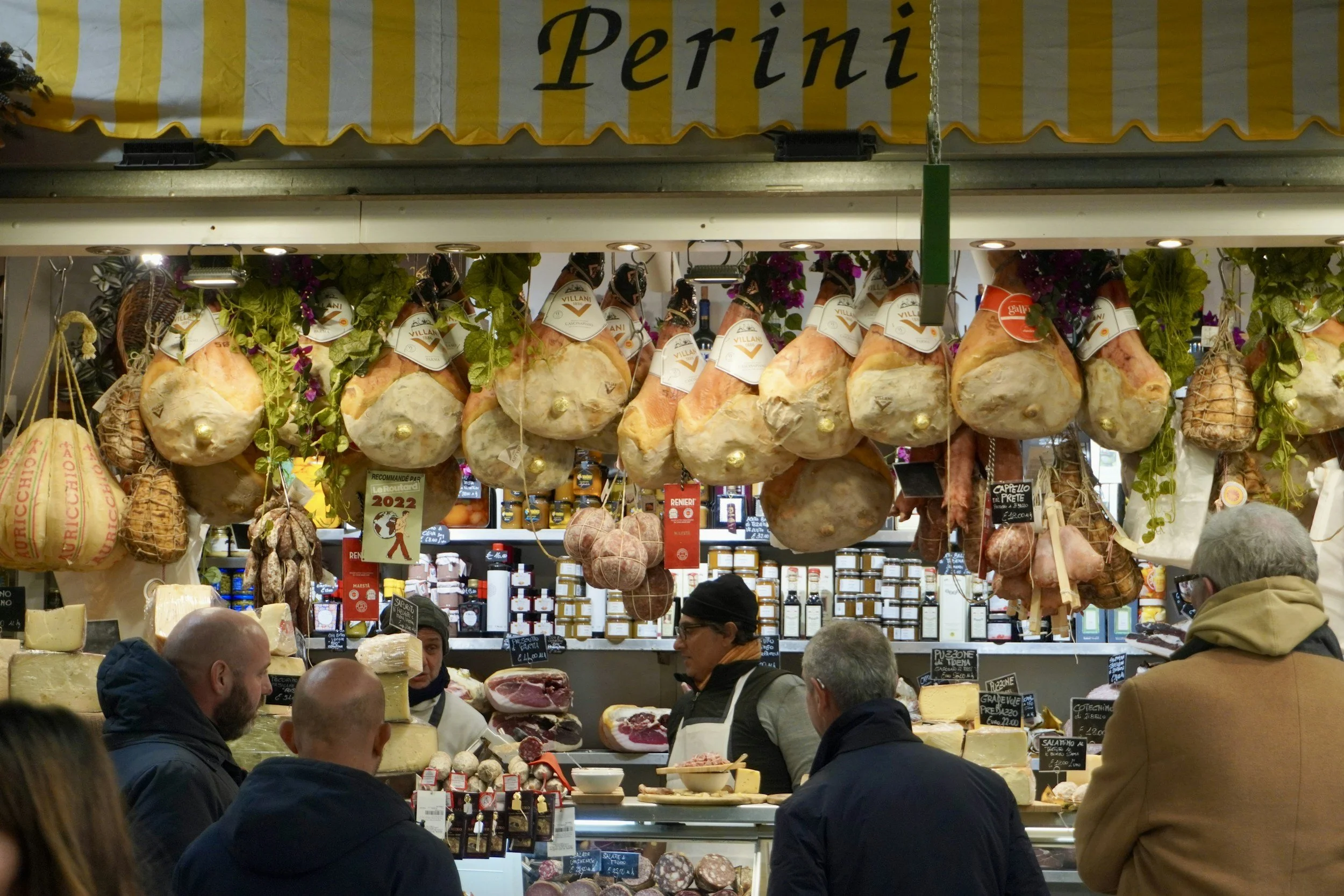
Fine Dining
Il Latini is a Florentine institution known for hearty Tuscan cooking and a convivial atmosphere. It is a place to lean into the classics, including bistecca alla fiorentina and plenty of Tuscan wine.
Cantinetta Antinori combines one of Tuscany’s most recognizable winemaking names with an elegant setting inside a historic Florentine palazzo. It is an excellent choice for travelers interested in experiencing Tuscan cuisine alongside Antinori wines.
Borgo San Jacopo offers a more refined dining experience along the Arno, pairing contemporary Italian cuisine with views toward Ponte Vecchio.
Atto di Vito Mollica brings fine dining into the frescoed Palazzo Portinari Salviati, with menus centered around exceptional ingredients and polished presentation.
Casual Florentine Favorites
Not every memorable meal in Florence needs white tablecloths.
Osteria del Cinghiale Bianco is a cozy Oltrarno address for traditional Tuscan dishes, including its namesake wild boar.
For pizza, Gustapizza near Piazza Santo Spirito is an easy addition to an afternoon exploring Oltrarno.
Pino’s is the kind of casual stop that works perfectly between sightseeing, known for generous panini filled with Tuscan meats, cheeses, and sauces.
And, naturally, no Florence itinerary is complete without gelato. Gelateria Perché No! has been serving Florentines since 1939 and makes an excellent excuse for an afternoon stop.
Where to Drink
Florence’s evenings do not have to end after dinner. The city has developed an impressive cocktail scene alongside its deep-rooted wine culture.
Manifattura is particularly interesting for travelers who want a distinctly Italian cocktail experience, with drinks centered around Italian spirits, amari, and vermouths.
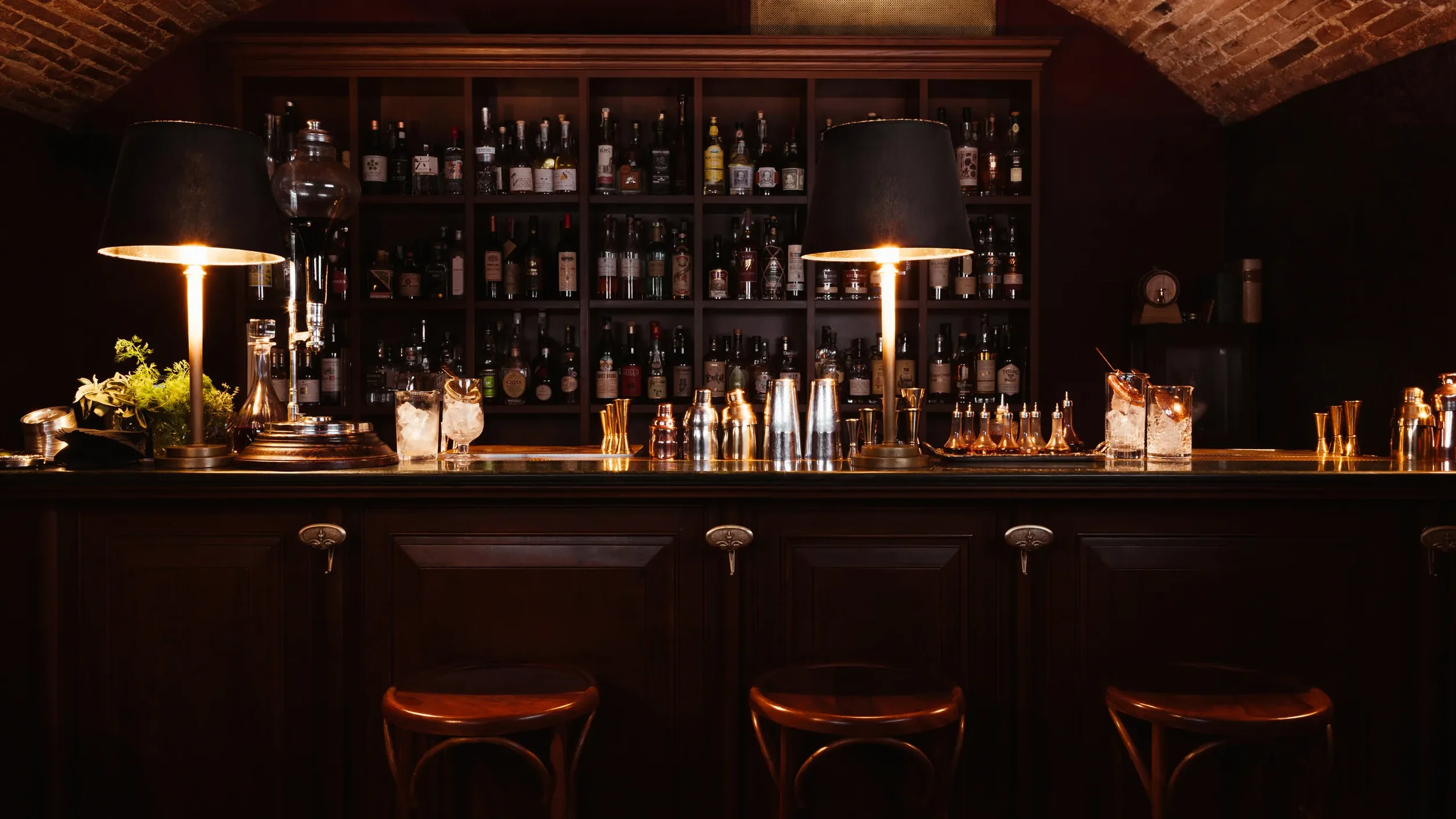
For something moodier, Rasputin channels the atmosphere of an intimate underground speakeasy.
Bitter Bar takes a more experimental approach to cocktails, while Il Santino is an excellent choice when all you really want is a glass of Tuscan wine accompanied by cheese and cured meats.
Day Trips from Florence
One of Florence’s greatest advantages is its location.
You can stay in the city and still spend a day among vineyards, medieval hill towns, and some of Tuscany’s most recognizable landscapes.
Chianti
For wine lovers, this would be one of my first choices.
A private driver allows you to leave Florence in the morning and spend the day moving between wineries, countryside estates, small villages, and a long Tuscan lunch without worrying about transportation.
Siena
Siena offers a completely different expression of Tuscany.
Its medieval center unfolds around Piazza del Campo, while striped marble, Gothic architecture, narrow streets, and centuries-old traditions make it an easy complement to Renaissance Florence.
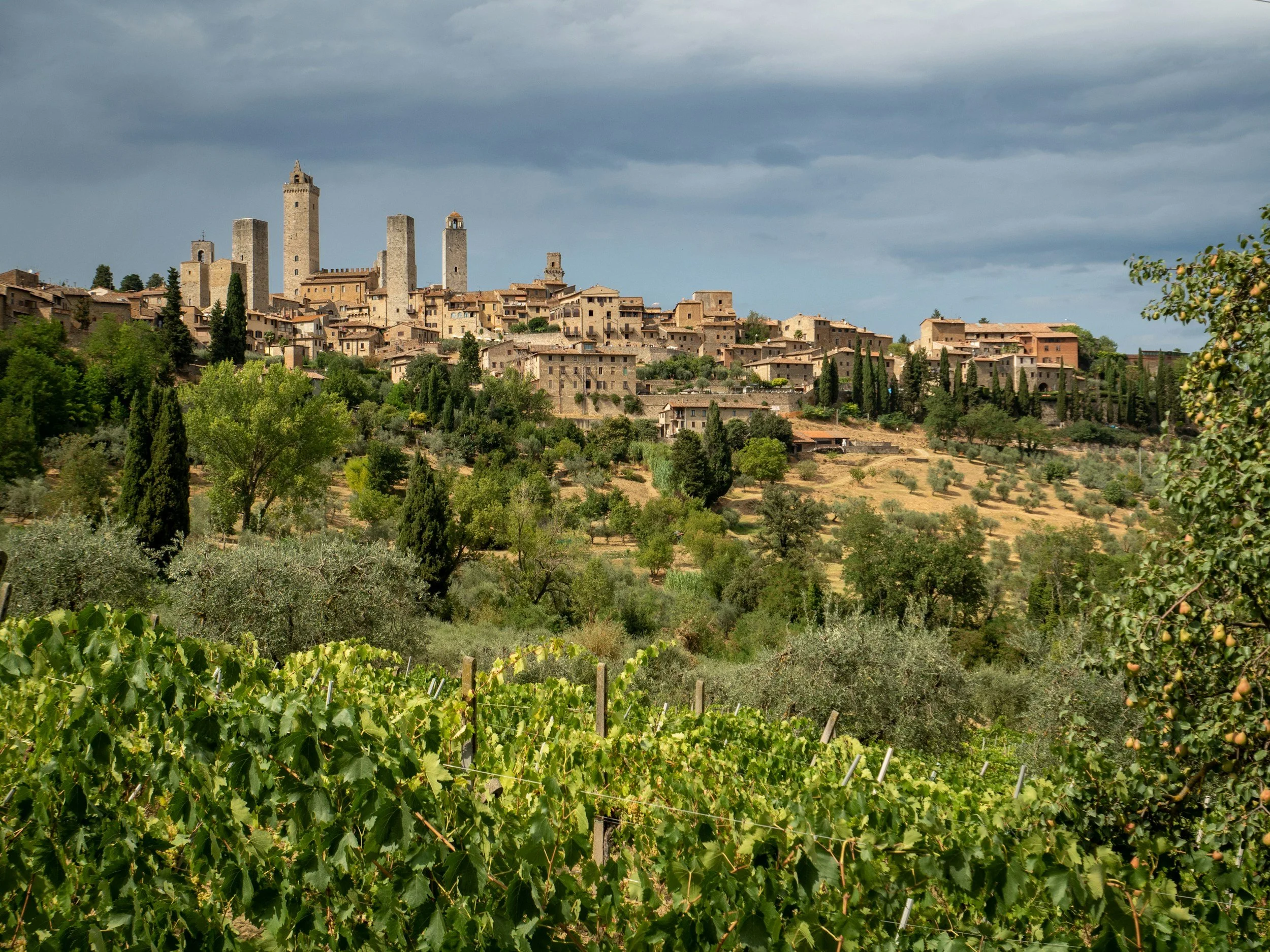
San Gimignano
Known for its surviving medieval towers, San Gimignano rises dramatically above the Tuscan countryside.
It pairs especially well with a wine-focused day, allowing you to combine a historic hill town with vineyard visits rather than devoting an entire day to one experience.
Val d’Orcia
If the Tuscany you picture involves rolling hills, cypress-lined roads, stone farmhouses, and hilltop villages, you are probably picturing Val d’Orcia.
Pienza, Montalcino, and Montepulciano can all be woven into a private countryside itinerary depending on whether your priority is wine, food, photography, or simply experiencing the landscape.
Trips to Pair with Florence
Florence works exceptionally well as one piece of a larger Italian itinerary.
Rome is perhaps the easiest contrast. Pairing Renaissance Florence with ancient Rome creates a trip rich in art, architecture, food, and history without requiring complicated logistics.
Venice offers an entirely different atmosphere, trading Florence’s stone streets and Renaissance palazzi for canals, Gothic architecture, and lagoon views.
For travelers whose trip revolves around food, I love the idea of continuing north toward Emilia-Romagna, particularly Bologna, Modena, and Parma.
A Tuscan countryside stay is another natural pairing. Rather than simply visiting wineries on day trips, spend several nights at a countryside resort and allow the pace of the trip to change completely.
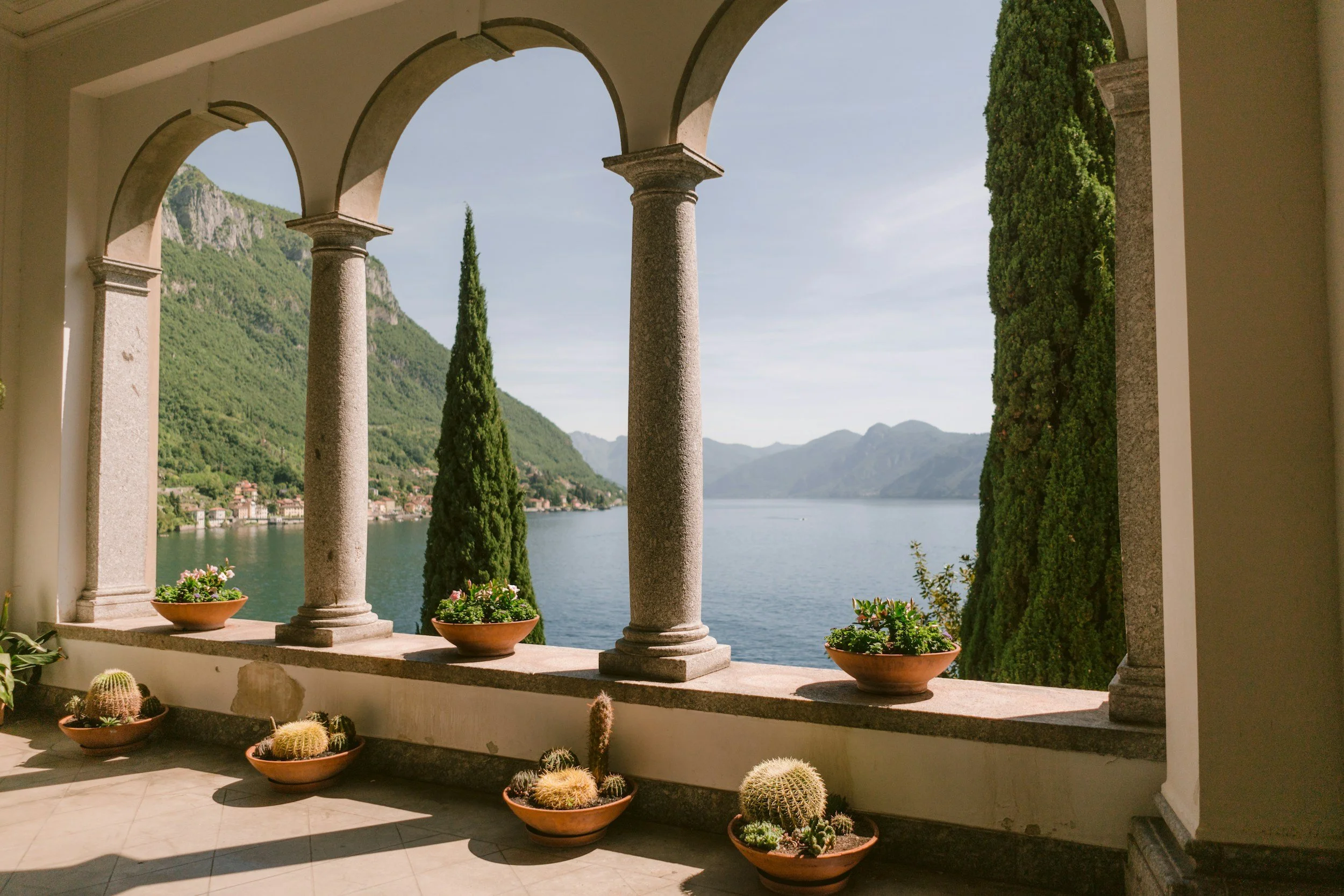
For a more glamorous summer itinerary, Florence can also be combined with the Italian Riviera, while travelers looking for lakeside elegance can continue north toward Lake Como or the other Italian Lakes.
If You Love Florence, Consider…
If what draws you to Florence is the combination of art, architecture, history, food, and an unmistakable sense of place, there are a few destinations around the world that capture a similar feeling in completely different ways.
Kyoto, Japan replaces Renaissance churches with Buddhist temples, Zen gardens, traditional wooden architecture, and centuries of carefully preserved cultural traditions.
Seville, Spain brings together extraordinary architecture, deeply rooted culinary traditions, intimate historic neighborhoods, and the energy of flamenco.
Antibes, France pairs an important artistic legacy with Mediterranean light, cobblestone streets, old stone ramparts, and easy access to the French Riviera.
San Miguel de Allende, Mexico offers its own creative spirit, with artists, craftspeople, colorful architecture, galleries, and atmospheric cobblestone streets.
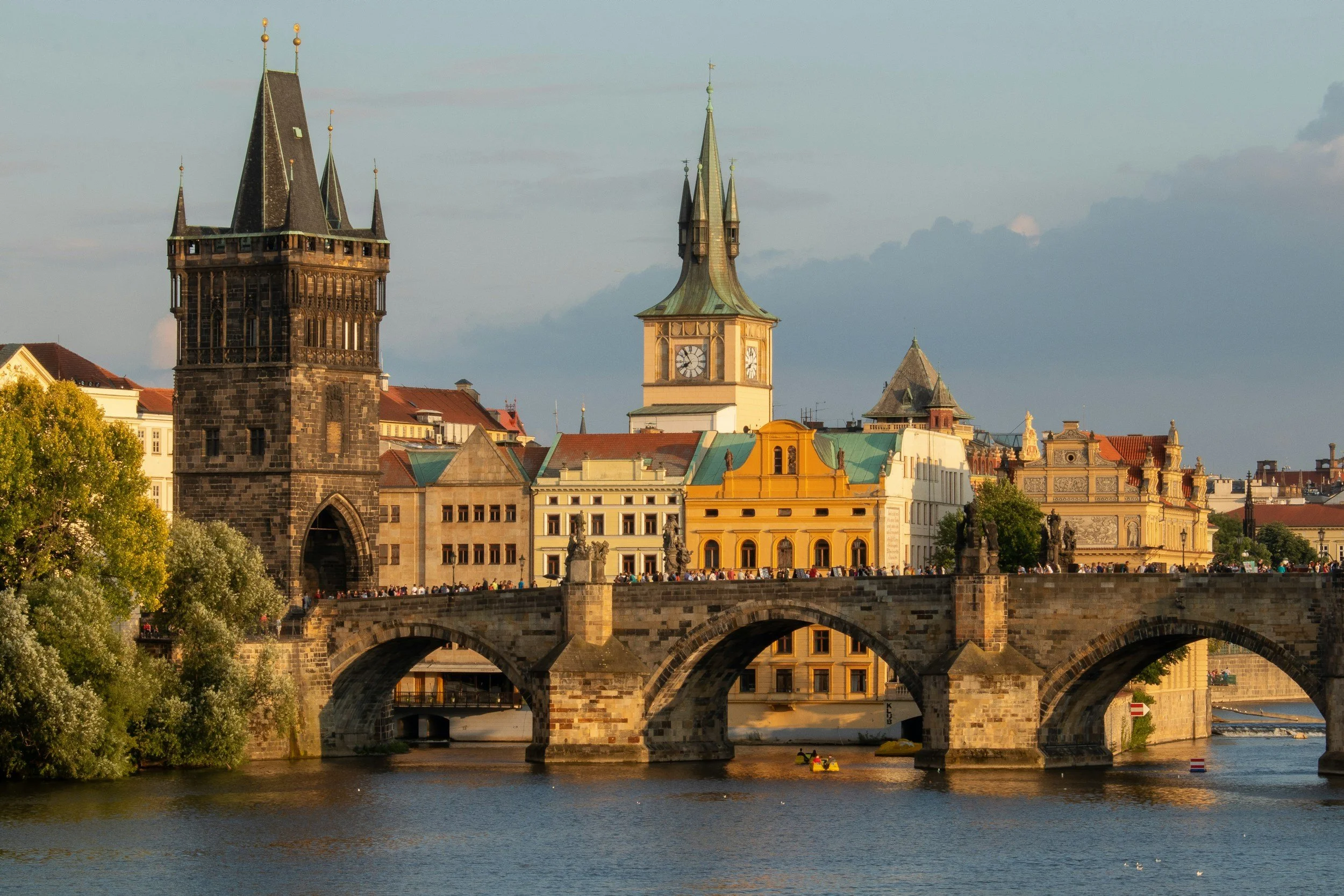
And Prague, Czech Republic provides another city where simply walking can feel like exploring an open-air museum, this time surrounded by Gothic spires, Baroque palaces, bridges, and a rich musical heritage.
Planning Your Trip to Florence
Florence is easy to fall in love with, but the difference between simply visiting the city and experiencing it exceptionally well often comes down to the details.
Which neighborhood you stay in changes the rhythm of your trip. Museum timing matters. The right private guide can transform an afternoon at the Uffizi. A countryside day is dramatically better when the wineries, lunch, villages, and transportation have been thoughtfully coordinated rather than pieced together at the last minute.
And with Florence, it is especially important not to overplan.
Some of the best moments happen between reservations: walking across the Arno after dinner, discovering an artisan workshop in Oltrarno, lingering over another glass of Chianti, or realizing you have nowhere you need to be for the next two hours.
That balance is exactly what I aim to create when planning Italy itineraries.
Ready to plan your Florence trip?
Whether Florence is the centerpiece of your trip or one stop on a larger journey through Italy, I can help you determine the right hotels, destinations, experiences, transportation, and overall itinerary for the way you want to travel.
Through my trip inquiry form, you can share your travel dates, approximate budget, who is traveling, the destinations you are considering, and what you would like help planning. I’ll review the details personally and follow up with the best next step for your trip.