How to Plan a Luxury Vacation Everyone Will Love
Planning a vacation for yourself is one thing. Planning one for six, eight, or twelve people with different ages, interests, schedules, and definitions of a “perfect vacation” is something entirely different.
One person wants to spend every afternoon by the pool. Someone else has a list of restaurants they want to try. The kids need enough to keep them entertained. The grandparents do not want an itinerary that requires walking ten miles a day. And somehow, everyone expects to come home feeling like the vacation was designed for them.
That is the challenge of planning a luxury family or group vacation.
The answer is not finding a destination with the longest list of things to do. It is creating a trip with enough flexibility that everyone gets something they genuinely enjoy, without turning the vacation into a complicated schedule of competing priorities.
Whether you are planning a multigenerational family trip, milestone birthday, anniversary celebration, or getaway with friends, these are the things I consider when designing a luxury vacation for multiple travelers.
1. Start With the People, Not the Destination
It is tempting to begin vacation planning by asking, “Where should we go?”
For a group trip, I would start somewhere else: Who is going, and what does each person want from the vacation?
A beautiful destination is not automatically the right destination.
A family with young children may need direct flights, spacious accommodations, a great pool, and easy access to activities. A multigenerational family may prioritize accessibility, excellent dining, and experiences that grandparents and grandchildren can enjoy together. A group of adult friends might care more about nightlife, restaurants, beach clubs, and having enough space to gather.
Before choosing a destination, consider everyone's non-negotiables.
You do not need twelve people independently planning the itinerary, but understanding what would make the trip feel successful for each traveler makes everything that follows easier.

2. Choose a Destination That Doesn't Require Compromise at Every Turn
The best destinations for group travel offer variety without excessive logistics.
Think beaches paired with culture, resorts with enough amenities for slower days, cities that work for both food lovers and history buffs, or destinations where adventure is available without requiring everyone to participate.
For example, Hawaiʻi can work beautifully for a multigenerational family because one person can play golf while another books a spa treatment, part of the family can spend the morning snorkeling, and everyone can reconvene for dinner.
Italy can work for an adult family trip because food, history, shopping, wine, art, and relaxation can coexist within the same itinerary.
A Caribbean resort may be perfect when the primary goal is spending time together without coordinating transportation and activities every day.
The question is not whether a destination has enough to do. Almost everywhere does.
The better question is whether it offers enough of the right things for your particular group.
3. Pick the Hotel More Carefully Than You Think You Need To
For a group vacation, the hotel can make or break the trip.
When I evaluate hotels for families and groups, I look beyond whether the property is considered luxurious.
Room configurations matter. Connecting rooms matter. The distance between accommodations matters. So do restaurants, pools, beach access, kids' programming, accessibility, transportation, and the ease of getting everyone together.
For some families, a private villa with a pool and plenty of communal space will create a much better experience than several separate hotel rooms.
For others, a full-service luxury resort is ideal because everyone can independently decide what they want to do without someone having to coordinate it.
And sometimes the hotel everyone recognizes by name is not the hotel I would recommend.
The best property is the one that works with the way your group will actually spend its time.
4. Don't Plan Every Moment Together
This may be the most important rule.
You do not have to do everything together.
In fact, trying to keep an entire group together from breakfast until dinner is one of the easiest ways to make a vacation feel exhausting.
Build the itinerary around a few meaningful shared experiences.
Maybe everyone takes a private boat out for the day. You reserve one special dinner for the entire family. There is a private cooking class, a guided cultural experience, or a day exploring somewhere everyone is excited about.
Then leave room for people to separate.
Some can golf. Others can go to the spa. The kids can spend an afternoon at the pool. Someone can explore the town while someone else happily does absolutely nothing.
Everyone comes back together later with something to talk about.
That is often much more enjoyable than trying to manufacture togetherness for seven consecutive days.
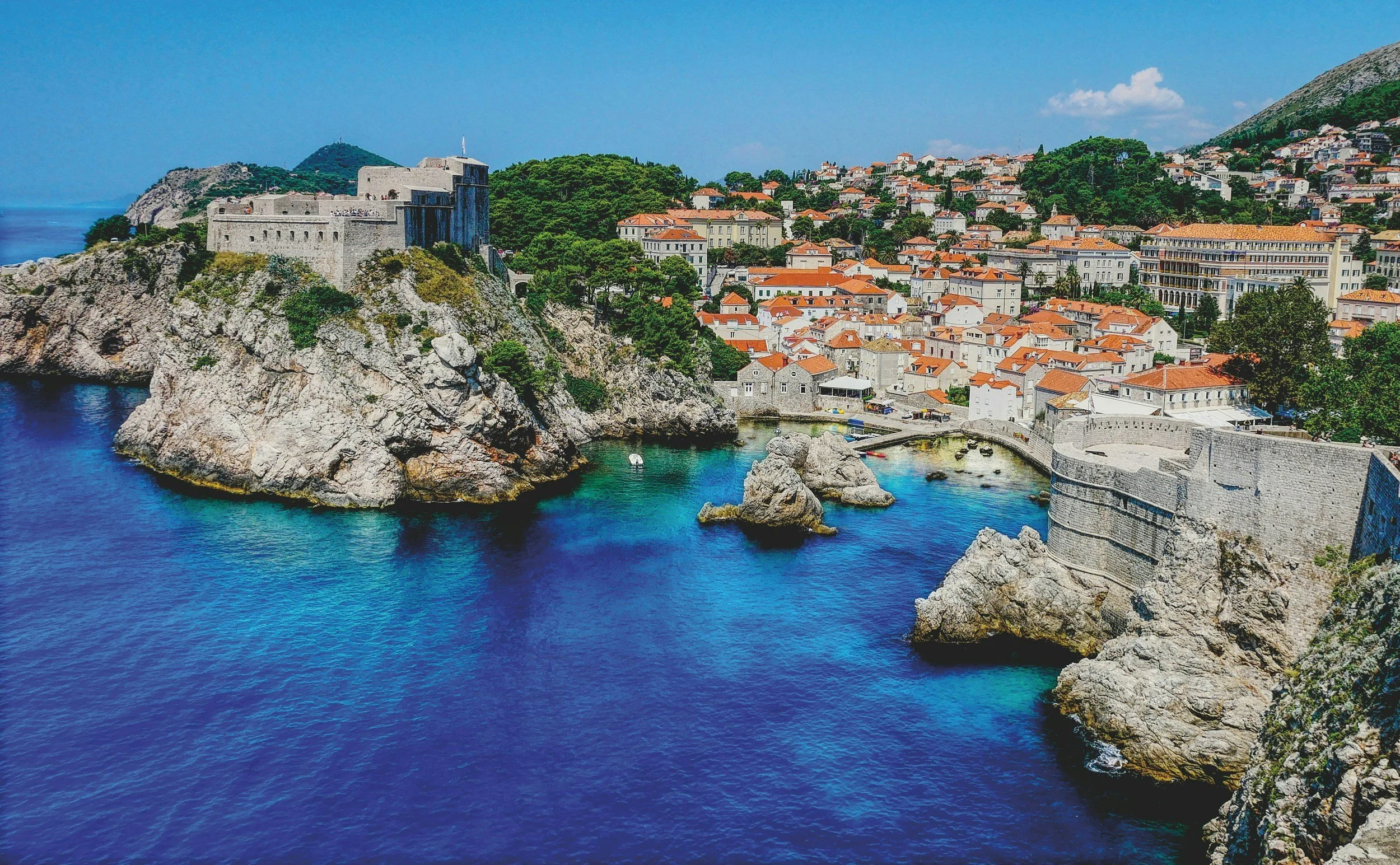
5. Build in More Downtime Than You Think You Need
A luxury vacation should not require a vacation afterward.
When people invest significantly in a trip, there can be an understandable temptation to maximize every day. If you are traveling all the way to Europe, shouldn't you see everything you possibly can?
Usually, no.
Some of the best moments happen precisely because there was nothing scheduled.
It is the afternoon everyone stays by the pool longer than expected. The lunch that turns into another bottle of wine. The morning someone decides to sleep in. The little town you wander through because you did not have somewhere else you needed to be.
This becomes even more important with groups because moving several people takes longer than moving two.
I would rather design five memorable days with room to enjoy them than seven days everyone races through.
6. Be Strategic About Private Experiences
Private does not automatically mean better.
But when traveling with a family or group, there are situations where private experiences can completely change the quality of the trip.
A private airport transfer means nobody is waiting while other passengers are dropped off at five hotels. A private guide can adjust the pace for children or older family members. A private boat gives the group control over the itinerary. A private driver eliminates conversations about who is navigating, parking, or staying sober.
And depending on the size of the group, private experiences can sometimes make financial sense compared with purchasing individual tickets for everyone.
The goal is not to make every component private simply because it is a luxury vacation.
It is to identify where spending more will meaningfully improve the experience.
7. Think About Logistics Before You Fall in Love With an Itinerary
This is the unglamorous part of travel planning that makes the glamorous part possible.
A route can look perfect on a map and be frustrating in reality.
How many times will everyone need to pack and unpack? How long does it actually take to get between destinations? Does the ferry schedule work with the flight? Can the transportation accommodate everyone's luggage? Are there enough vehicles for the group? Is someone going to have to carry a stroller up 100 steps to reach that beautiful hotel?
For larger groups, every transition introduces another opportunity for something to become complicated.
That does not mean you should avoid multi-destination trips. It means the route needs to justify the logistics.
Sometimes removing one destination from an itinerary makes the entire vacation better.
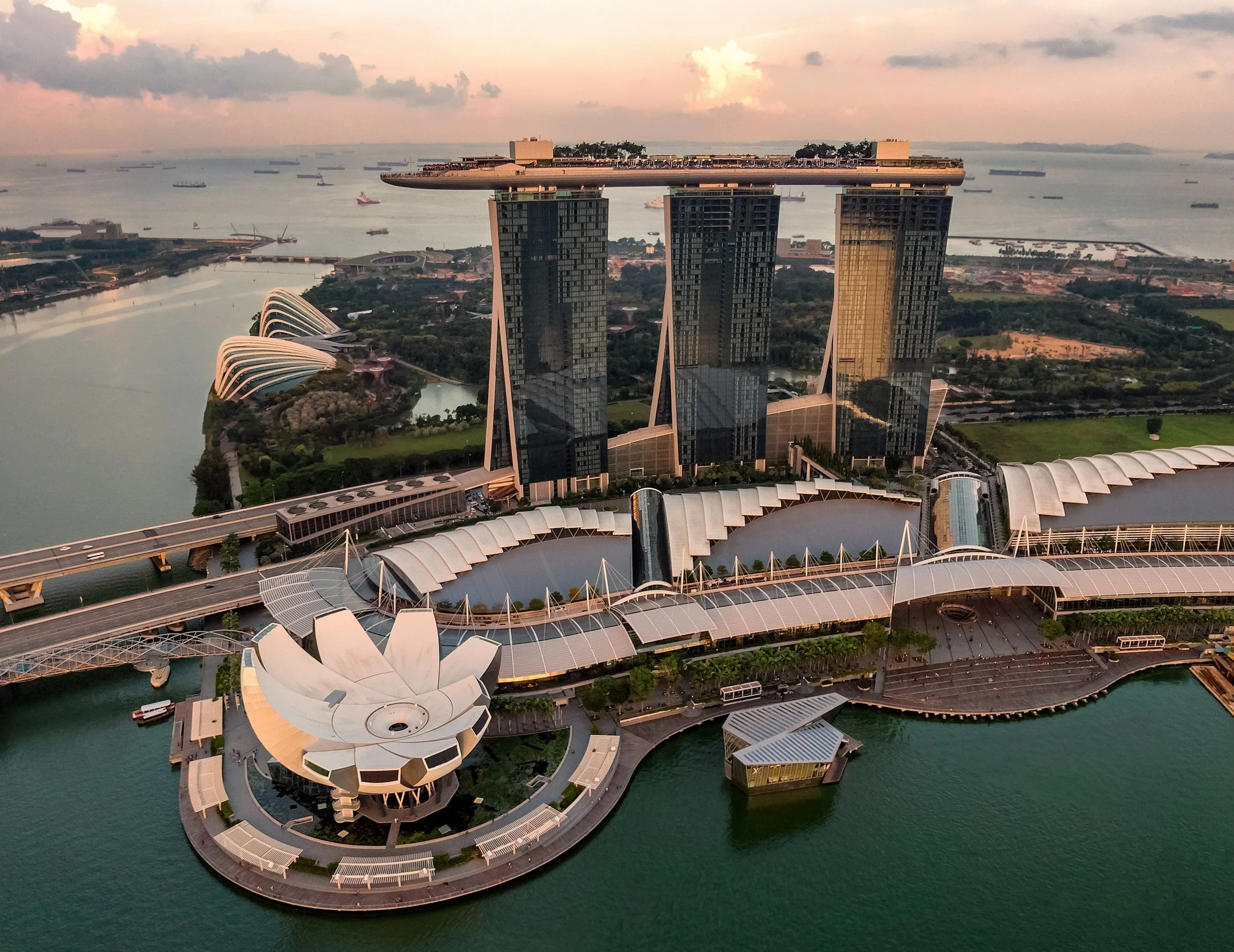
8. Make Dining Reservations With the Entire Group in Mind
Dining gets complicated quickly when you are traveling with a larger party.
Restaurants that can easily accommodate a table for two may have limited availability for eight. Some require set menus or deposits for larger groups. Others may not be appropriate for younger children.
Then there are allergies, dietary restrictions, picky eaters, and different budgets to consider.
For important dinners, planning ahead matters.
But I also would not reserve an elaborate dinner every night.
Mix the memorable reservations with casual meals, flexible evenings, and opportunities for people to choose their own plans. It keeps dining from becoming another obligation on the itinerary.
9. Decide How Money Will Work Before the Trip
It is not the most exciting conversation, but it can prevent awkward ones later.
For an extended family or group trip, determine early which expenses are being shared and which everyone will cover individually.
Is one person hosting the accommodations? Will everyone split the villa equally? Are grandparents paying for a special dinner? Will excursions be divided per person? What happens when one couple chooses a suite and another chooses a standard room?
There is no universal right answer.
Clarity is what matters.
When everyone understands the financial structure before reservations are made, the actual vacation can remain focused on enjoying the experience.
10. Have One Point Person
Group planning becomes exponentially harder when every decision requires a group text with 14 opinions.
Choose one or two people who can make decisions on behalf of the group.
Everyone can provide their preferences at the beginning, but once the direction has been established, having a primary decision-maker keeps planning moving.
This is also one of the reasons working with a travel advisor can be particularly valuable for group and multigenerational travel.
Instead of one family member becoming the unofficial travel agent, that person can actually participate in the vacation.

What Makes a Group Vacation Feel Luxurious?
It is easy to associate luxury travel with five-star hotels, business-class flights, private yachts, and Michelin-starred restaurants.
Those things can certainly be part of it.
But when I plan travel for multiple people, luxury often looks much simpler.
It is arriving at the airport and knowing the transportation is handled.
It is having the right room configuration instead of discovering at check-in that the children are three floors away.
It is knowing the restaurant can accommodate the entire family.
It is having someone else coordinate the private guide, ferry tickets, transfers, and hotel confirmations.
It is having enough space in the itinerary to change your mind.
And perhaps most importantly, it is allowing the person who usually plans everything to enjoy the vacation too.
When Should You Use a Travel Advisor for a Family or Group Vacation?
The more people involved in a trip, the more moving pieces there are behind the scenes.
A simple beach weekend for four people may be perfectly manageable on your own. But once you start coordinating multiple rooms, generations, destinations, transportation arrangements, activities, and preferences, professional planning becomes considerably more valuable.
At Aurelia Voyages, I approach family and group travel by looking at the experience as a whole.
Where should you stay? How much should you plan? Which experiences deserve a splurge? Where should the group separate? Is the itinerary realistic? And are there details nobody has thought about yet?
The objective is not simply to make reservations.
It is to create a vacation where everyone feels considered without asking one person in the family to spend months making it happen.
Planning a Luxury Family or Group Vacation?
If you are planning a multigenerational getaway, milestone celebration, family vacation, or trip with friends, start by telling me what you have in mind.
Through my trip inquiry form, you can share your destination ideas, travel dates, approximate budget, group size, priorities, and what you would like help planning.
I'll review the details personally and follow up with the best next step for your trip.
Because when several people are traveling together, the goal should not be creating an itinerary everyone can tolerate.
It should be creating a trip everyone is genuinely excited to take.